Albania
 Argentina
 Australia
 Austria
 Belgium
 Bosnia and Herzegovina
 Brazil
 Bulgaria
 Canada
 Chile
 Colombia
 Croatia
 Czech Republic
 Denmark
 Estonia
 Finland
 France
 Germany
 Greece
 Hungary
 Ireland
 Italy
 Latvia
 Lithuania
 Luxembourg
 Mexico
 Moldova
 Montenegro
 Netherlands
 New Zealand
 North Macedonia
 Norway
 Philippines
 Poland
 Portugal
 Romania
 Serbia
 Slovakia
 Slovenia
 South Africa
 Spain
 Sweden
 Switzerland
 Turkey
 Ukraine
 United Kingdom
 United States of America



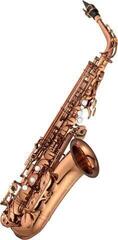
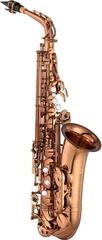
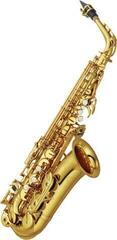
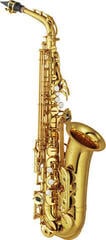
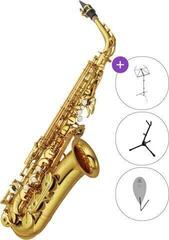
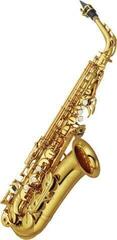
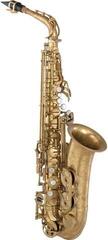
Alto Saxophones
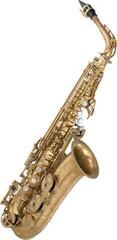
The E-flat alto saxophone is a common choice for beginners because it is easier to hold than a tenor and has more stable intonation than a soprano. As a beginner, however, you still need airtight keywork, a suitable strap and a mouthpiece with a reed of appropriate strength. The finish is secondary to the condition of the keys.
Test the keywork in the lower register
A leaking pad becomes apparent most quickly on low notes and with a soft attack. The keys should respond without lateral play, and the octave mechanism must not stick. For a used instrument, a service inspection is more valuable than shiny lacquer. During the test, play the same phrase both softly and loudly to reveal leaks and an unstable response.
The mouthpiece determines the instrument's resistance
The tip opening and facing length affect which reed will work. For a separate selection, see alto saxophone mouthpieces. A reed that is too hard forces you to bite, while one that is too soft closes up under a stronger airflow.
Adjust the strap before positioning your hands
The mouthpiece should come to your mouth without you tilting your head forwards. The hook must have a reliable safety catch and the strap must not press on your neck. You can find other registers and their differences among saxophones.
Remove the reed after playing
Dry the reed flat, swab the mouthpiece and pull a suitable swab through the body. Do not close a damp case until it has dried. Do not wash the pads with water or lubricate the mechanism without knowing the specific lubrication points.
For your first alto, prioritise airtightness, comfortable support and a compatible mouthpiece over a decorative finish.