Albania
 Argentina
 Australia
 Austria
 Belgium
 Bosnia and Herzegovina
 Brazil
 Bulgaria
 Canada
 Chile
 Colombia
 Croatia
 Czech Republic
 Denmark
 Estonia
 Finland
 France
 Germany
 Greece
 Hungary
 Ireland
 Italy
 Latvia
 Lithuania
 Luxembourg
 Mexico
 Moldova
 Montenegro
 Netherlands
 New Zealand
 North Macedonia
 Norway
 Philippines
 Poland
 Portugal
 Romania
 Serbia
 Slovakia
 Slovenia
 South Africa
 Spain
 Sweden
 Switzerland
 Turkey
 Ukraine
 United Kingdom
 United States of America


Saxophones
A saxophone combines a metal body with a single reed, so choosing one is not just about the size of the instrument. Soprano, alto and tenor saxophones have different registers, weights and embouchure requirements. The alto is often chosen for initial study, but your final decision should be based on the repertoire, your physical capabilities and your teacher's recommendation.
Three common voices of the saxophone family
The soprano saxophone places high demands on intonation and precise airflow control. The alto saxophone is more compact and has a wide range of teaching materials available. The tenor saxophone sounds lower, is heavier and needs a properly adjusted neck strap or harness.
The mechanism must seal properly
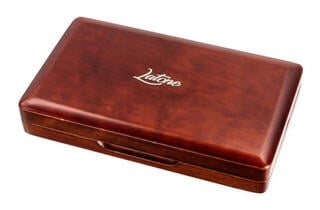
The keys should close without gaps and the springs should respond evenly. A leak causes uncertain low notes even when you are blowing correctly. With a new instrument, check whether the package includes a mouthpiece, ligature and case; reeds are consumable and you need to buy replacements.
The mouthpiece and reed form one system
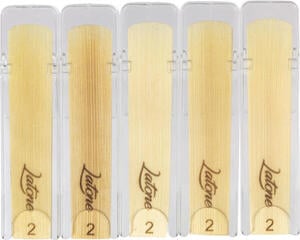
The mouthpiece tip opening and reed strength affect resistance. As a beginner, you should not automatically choose the hardest reed. Set up the combination so that the note speaks without you biting the mouthpiece and remains stable throughout the range.
Remove moisture after playing
Remove the reed, wipe the inside of the mouthpiece and pull a suitable swab through the body. Do not wash the mechanism under water. Do not leave wet reeds in a closed mouthpiece because they will deform and their lifespan will be shortened.
The strap affects both safety and breathing
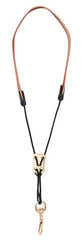
Adjust the neck strap or harness so that the mouthpiece reaches your mouth without you leaning forwards. A tenor requires different support from a lighter alto; the hook must have a safety catch and must not open by itself. Never leave the instrument hanging only from the strap without supporting it with your hand.
Lacquer and finish are not a measure of mechanical quality
Gold lacquer, a silver finish or patina changes the appearance and, to some extent, maintenance, but playability depends on the airtightness and geometry of the keys. Minor surface marks may not affect the tone, while an inconspicuous deformation of the octave mechanism may do so. Have a used saxophone checked by a service technician.
Choose the register you want to play and, before buying, have the key seals and suitability of the mouthpiece checked.

Saxophones for beginners

Deals & Coupons: Saxophones

Ako vybrať saxofón
How to learn to play the saxophone
Bundles: Saxophones

Soprano Saxophones

Alto Saxophones

Baritone Saxophones

Tenor Saxophones

Cleaning and Maintenance for Brass

Tenor Saxophone Ligatures

Alto Saxophone Ligatures

Soprano Saxophone Ligatures

Baritone Saxophone Ligatures

Soprano Saxophone Reeds

Alto Saxophone Reeds

Tenor Saxophone Reeds

Baritone Saxophone Reeds

Soprano Saxophone Mouthpieces

Alto Saxophone Mouthpieces

Tenor Saxophone Mouthpieces

Baritone Saxophone Mouthpieces

Saxophone Bags and Cases

Straps for wind instruments