Albania
 Argentina
 Australia
 Austria
 Belgium
 Bosnia and Herzegovina
 Brazil
 Bulgaria
 Canada
 Chile
 Colombia
 Croatia
 Czech Republic
 Denmark
 Estonia
 Finland
 France
 Germany
 Greece
 Hungary
 Ireland
 Italy
 Latvia
 Lithuania
 Luxembourg
 Mexico
 Moldova
 Montenegro
 Netherlands
 New Zealand
 North Macedonia
 Norway
 Philippines
 Poland
 Portugal
 Romania
 Serbia
 Slovakia
 Slovenia
 South Africa
 Spain
 Sweden
 Switzerland
 Turkey
 Ukraine
 United Kingdom
 United States of America


Trumpets, Cornets and Flugelhorns
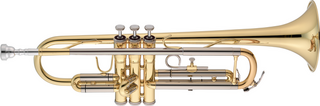
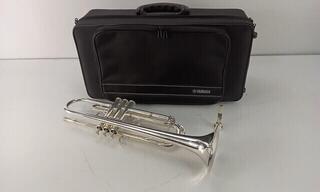
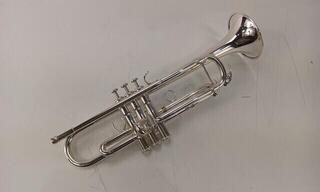
Trumpets, cornets and flugelhorns use valves and similar fingering, but their different construction changes the character of their tone and their role in an ensemble. A trumpet projects with a brighter sound, a cornet has a more compact body and softer attack, while a flugelhorn sounds broader and darker. You should therefore begin your selection with the musical setting: school, wind band, jazz ensemble or orchestra.
The most common tuning and construction
A Bb trumpet is a common choice for you as a student. C trumpets and piccolo models are intended for specific repertoire, so do not buy one as a substitute without consulting your teacher. Check the valves for smooth operation and airtightness, as well as the availability of replacement felts and springs.
The mouthpiece changes resistance and attack
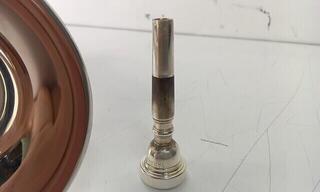
A mouthpiece that is too large or deep can tire you quickly as a beginner, while one that is very small will restrict your tone. Cornet and trumpet mouthpieces may not have the same shank. If you are interested in an instrument with a slide instead of valves, have a look at trombones.
Finish, case and maintenance
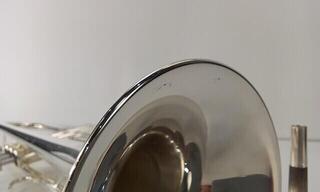
Lacquered and silver-plated instruments require different surface cleaning, but you need to rinse the inside regularly and lubricate the valves with suitable oil. Before carrying the instrument, drain the water, store the mouthpiece separately and check that the case does not press against the valves.
You hold a cornet closer to your body
The more tightly coiled tubing shifts the centre of gravity and may suit smaller hands, but the instrument still requires proper breathing and a stable embouchure. A flugelhorn has a wider bore and requires controlled airflow to produce a mellow tone. Consult your teacher when switching between instruments because the same fingering does not mean the same feel.
Testing the valves reveals basic problems
Press each valve separately and in combination, and listen for scraping or a slow return. The valves belong in the correct casings and orientation; do not mix them up after removing them. The tuning slides should move without force and the water keys should seal when closed.
Choose the instrument according to the ensemble and tuning, then compare mouthpiece resistance and valve ergonomics.

Trumpets for beginners

Deals & Coupons: Trumpets, Cornets and Flugelhorns
How to learn to play the trumpet

How to choose a trumpet
Bundles: Trumpets, Cornets and Flugelhorns

Bb Trumpets

Plastic trumpets

C Trumpets

Piccolo Trumpets

Flugelhorns

Cornets

Mouthpieces for Trumpet

Mouthpieces for Cornet

Trumpet and Flugelhorn Mutes

Silent Brass Systems

Sheet music for wind instruments

Cleaning and Maintenance for Brass

Trumpet Bags and Cases