Albania
 Argentina
 Australia
 Austria
 Belgium
 Bosnia and Herzegovina
 Brazil
 Bulgaria
 Canada
 Chile
 Colombia
 Croatia
 Czech Republic
 Denmark
 Estonia
 Finland
 France
 Germany
 Greece
 Hungary
 Ireland
 Italy
 Latvia
 Lithuania
 Luxembourg
 Mexico
 Moldova
 Montenegro
 Netherlands
 New Zealand
 North Macedonia
 Norway
 Philippines
 Poland
 Portugal
 Romania
 Serbia
 Slovakia
 Slovenia
 South Africa
 Spain
 Sweden
 Switzerland
 Turkey
 Ukraine
 United Kingdom
 United States of America



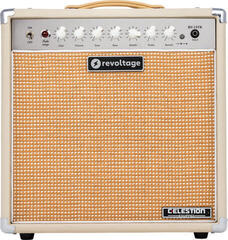
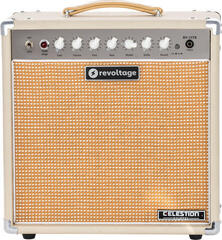
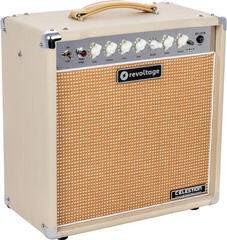
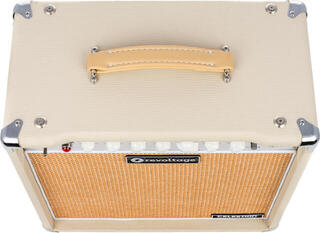
Guitar Combos
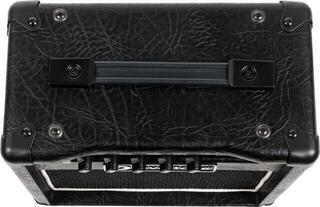
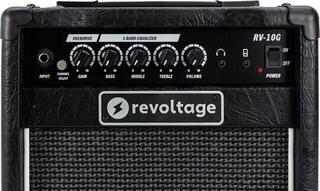
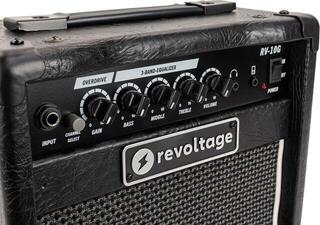
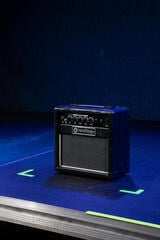
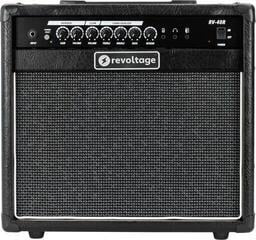
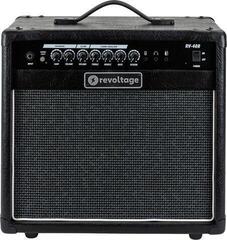
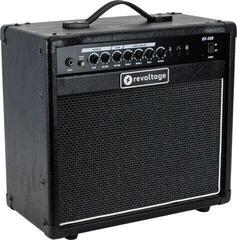
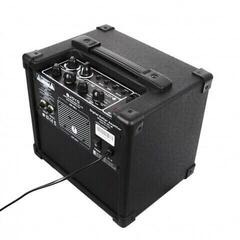
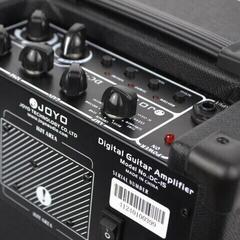
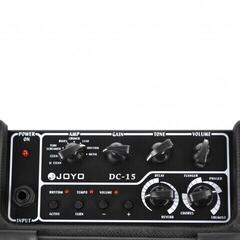
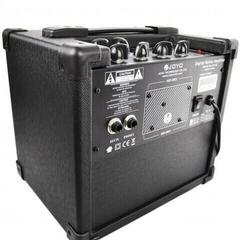
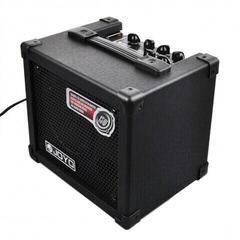
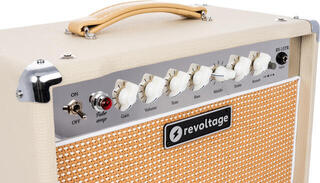
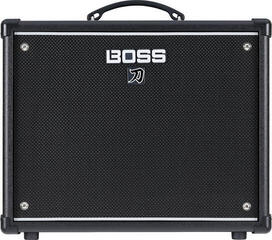
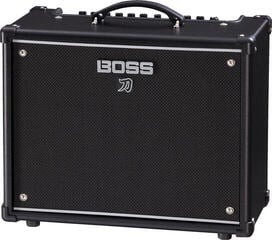
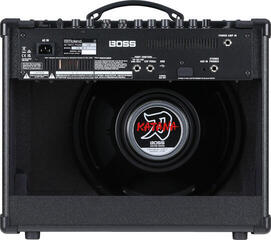
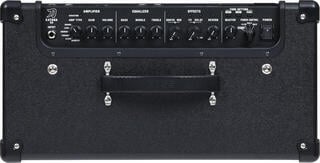
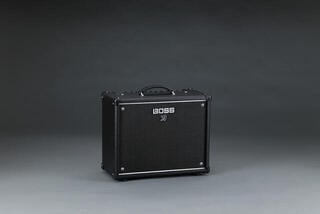
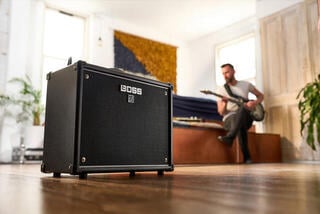
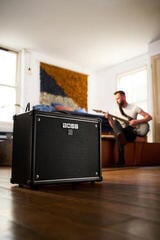
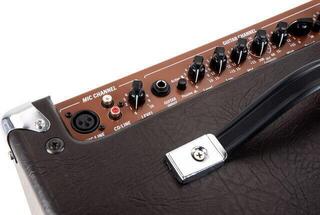
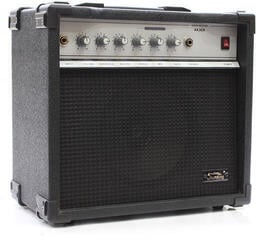
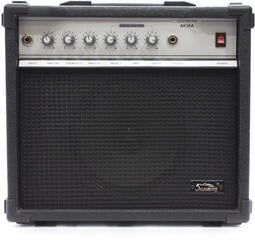
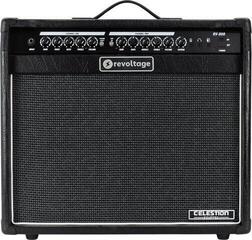
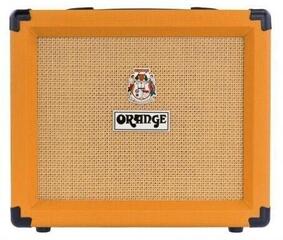
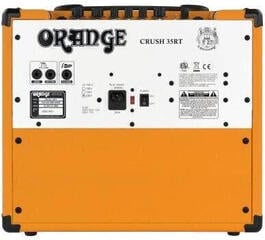
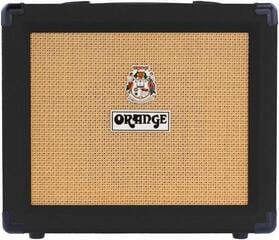
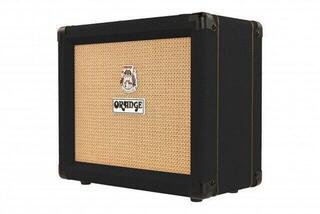
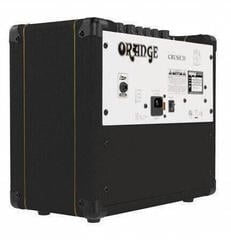
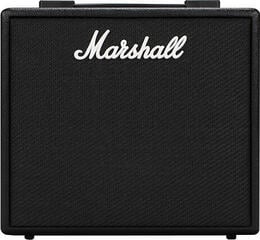
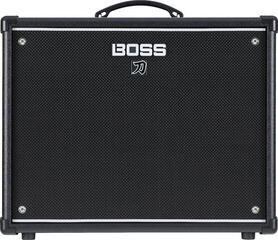
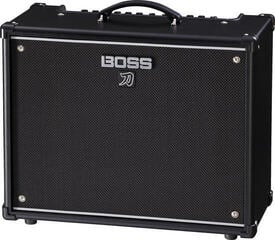
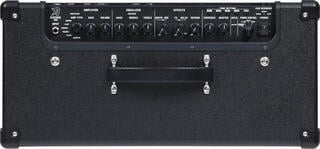
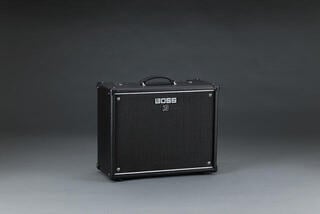
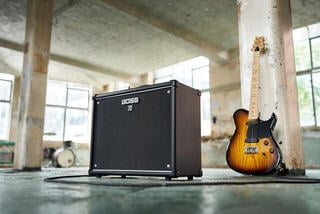
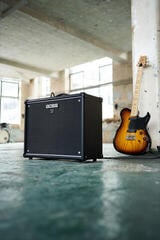
A guitar combo combines an amplifier and speaker in a single unit, making it practical for home practice, rehearsals and smaller stages. Your choice mainly depends on the amplification technology, power, speaker size and where you will use it. A smaller combo is easier to carry and control at low volume, while a larger one can cope better with a loud band.
Which type of combo should you choose?
| Type | Best suited to | What to consider |
|---|---|---|
| Solid-state combos | Simple controls, consistent sound and everyday use | The tone is less responsive to playing dynamics than valve amplification |
| Valve combos | Players who want a warm tone and natural overdrive | Greater weight and valve maintenance |
| Modelling combos | Many sounds, effects and presets in one unit | Learning to use menus or an app can take some time |
| Hybrid combos | A combination of a valve preamp and solid-state power amp | Check which part of the circuit uses valves |
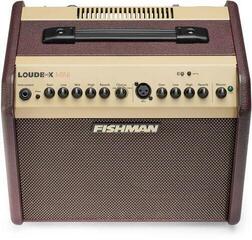
| Combos for electro-acoustic guitars | Faithful amplification of acoustic sound | They often have inputs for a microphone or additional instruments |
Power and size by application
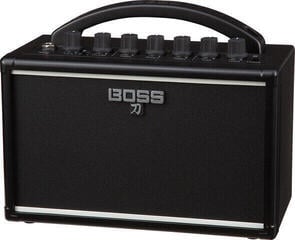
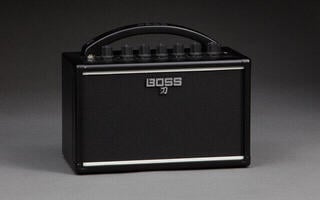
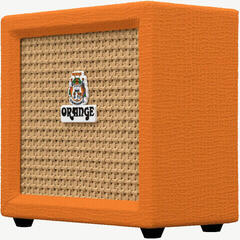
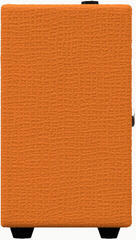
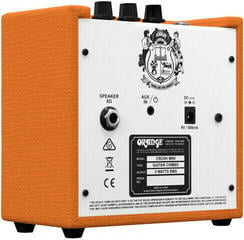
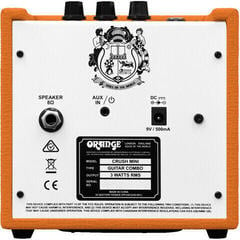
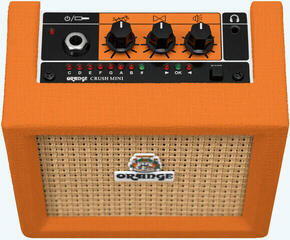
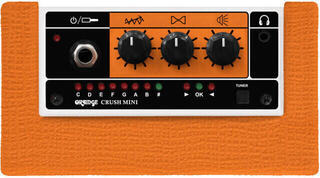
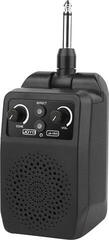
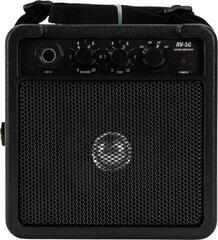
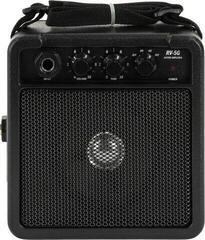
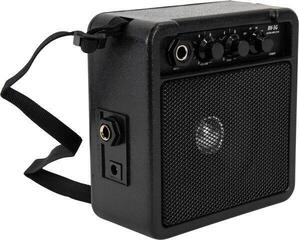
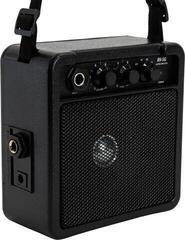
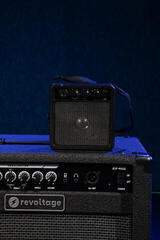
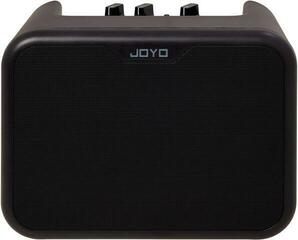
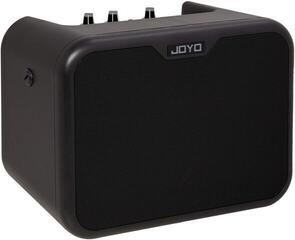
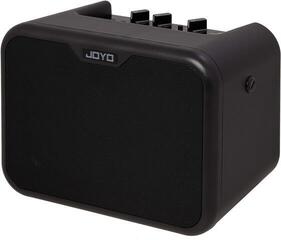
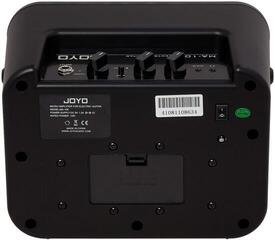
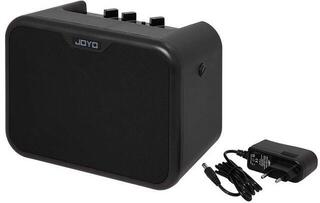
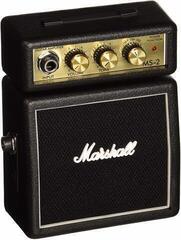
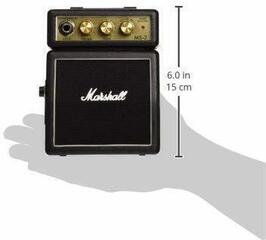
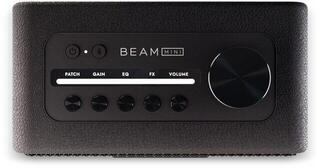
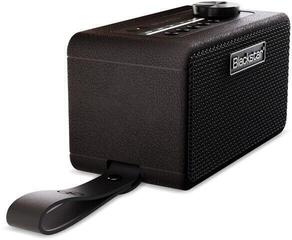
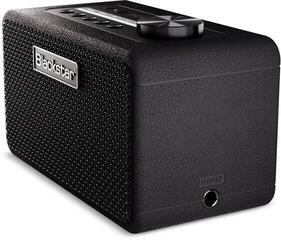
For playing at home, lower power and a smaller cabinet are sufficient and can also be used at lower volume. In a rehearsal room with live drums, you need significantly more headroom and a larger speaker. If you only need a combo for practice or travel, you can also try mini combos, which are easy to carry. Our guide on how to choose a guitar amplifier also explains the differences between the individual types.
Speaker and cabinet design
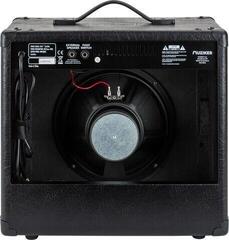
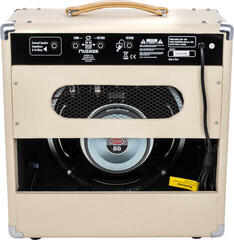
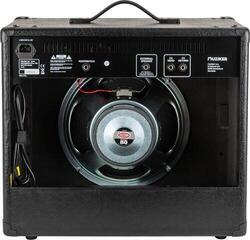
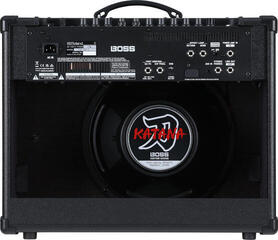
Speaker size affects both the sound and the physical dimensions of a combo. A smaller speaker is suitable for practice and recording, while a larger one gives the sound more body and fits better into a louder rehearsal environment. Also check whether the rear of the cabinet is open or closed, as its construction changes the bass character and sound dispersion.
What to check before choosing
- Where you will play and how loud you need to be.
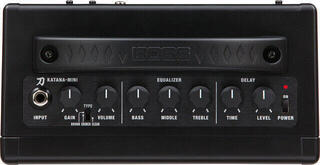
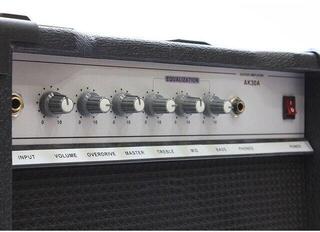
- The number of channels, equaliser and built-in effects.
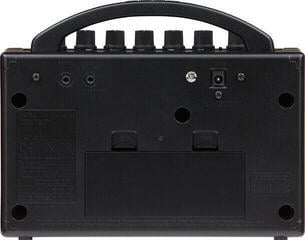
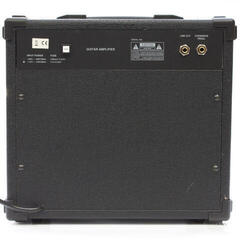
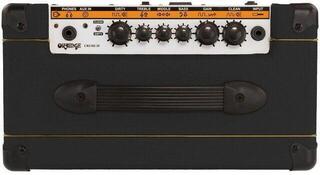
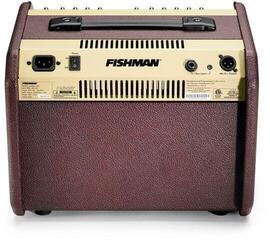
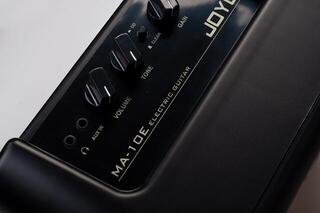
- Available inputs and outputs, such as headphones, USB or aux.
- Weight and dimensions if you carry it frequently.
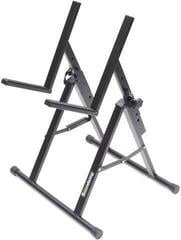
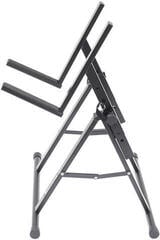
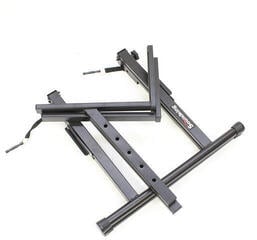
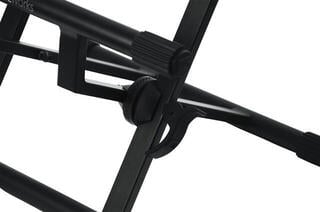
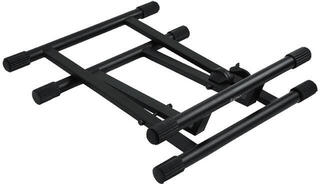
- Whether you will need a combo stand or cover.
A combo is only one way to amplify your guitar. If you want to combine a separate head and cabinet, explore guitar amplifiers.

How to choose a combo
Deals & Coupons: Guitar Combos
Unboxed: Guitar Combos
Bundles: Guitar Combos
Solid-State Guitar Combos
Tube Guitar Combos
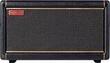
Modelling Guitar Combos
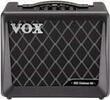
Hybrid Guitar Combos
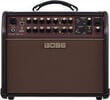
Combos for Acoustic-electric Guitars
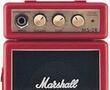
Mini Guitar Combos
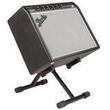
Amp stands
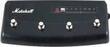
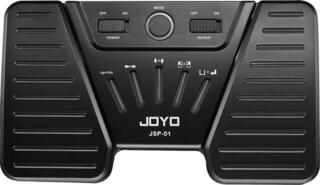
Foot switches and controllers

Vacuum Tubes

Bags for Guitar Amplifiers
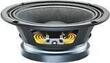
Loudspeakers components