Albania
 Argentina
 Australia
 Austria
 Belgium
 Bosnia and Herzegovina
 Brazil
 Bulgaria
 Canada
 Chile
 Colombia
 Croatia
 Czech Republic
 Denmark
 Estonia
 Finland
 France
 Germany
 Greece
 Hungary
 Ireland
 Italy
 Latvia
 Lithuania
 Luxembourg
 Mexico
 Moldova
 Montenegro
 Netherlands
 New Zealand
 North Macedonia
 Norway
 Philippines
 Poland
 Portugal
 Romania
 Serbia
 Slovakia
 Slovenia
 South Africa
 Spain
 Sweden
 Switzerland
 Turkey
 Ukraine
 United Kingdom
 United States of America



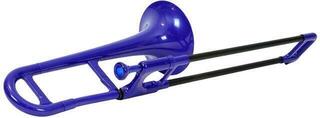
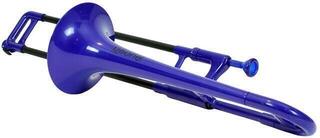
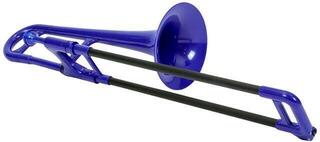
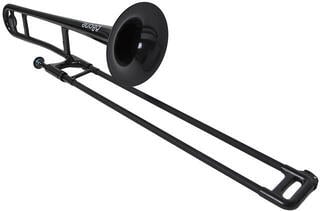
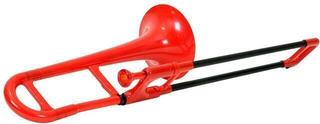
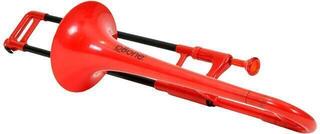
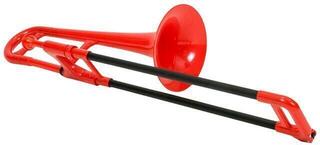
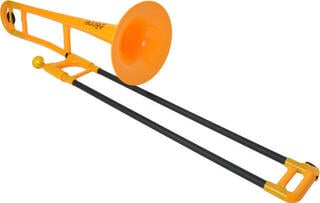
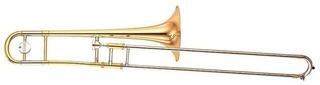
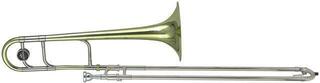
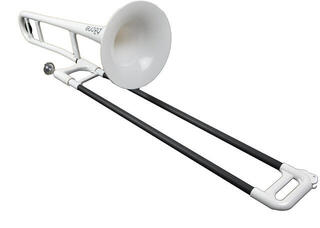
Trombones
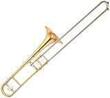
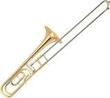
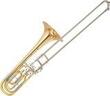
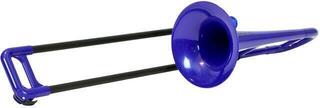
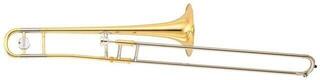
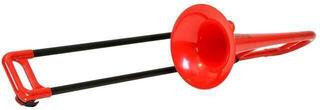
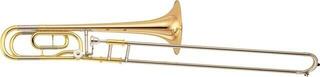
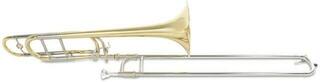
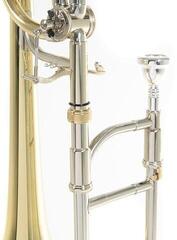
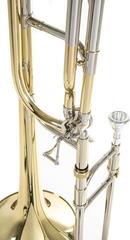
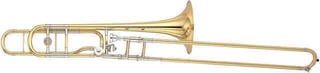
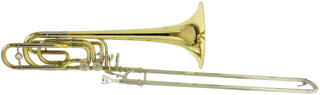
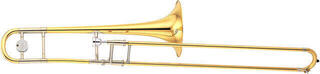
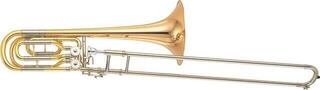
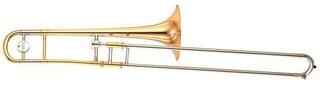
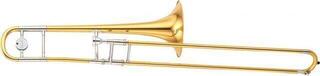
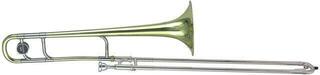
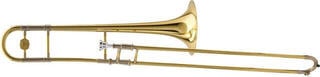
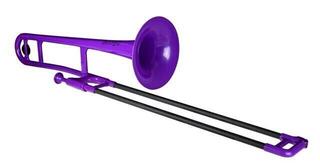
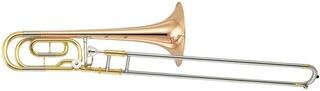
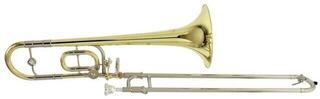
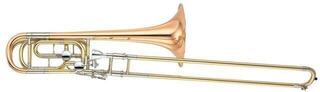
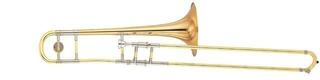
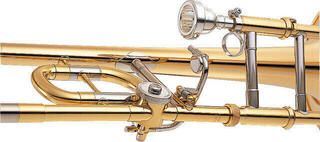
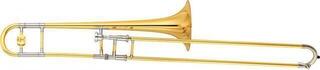
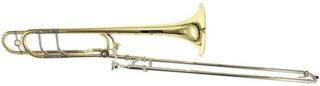
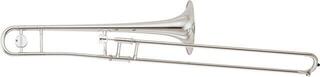
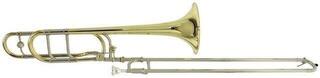
A trombone changes the length of its tubing with a slide, so accurate intonation depends on your ear and precise hand position. A tenor Bb model without a valve is common for first lessons; a Bb/F instrument adds a thumb valve and provides access to the lower register. A bass trombone has a wider construction, a larger mouthpiece and greater weight.
The slide must move easily and quietly
Check the inner tubes against the light: they must not be bent or scratched. The slide should move under its own weight without catching. For lubrication, use a product intended for trombones and a water mist as recommended by the manufacturer; ordinary valve oil may not be suitable.
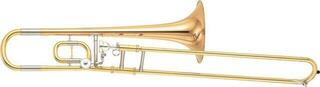
A valve expands your options but changes the balance
An F attachment helps in the lower register and with alternative slide positions. The mechanism must respond quickly, the tubing must be airtight, and you must be able to manage the additional strain on your left hand. Buy a bass model only when the part requires it and you have the appropriate embouchure.
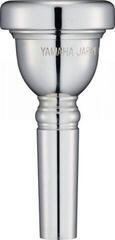
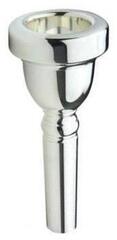
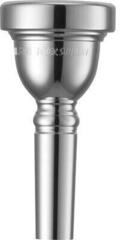
Mouthpiece and bore
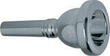
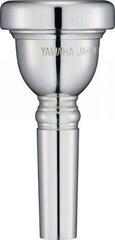
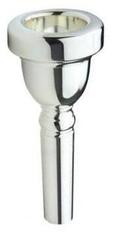
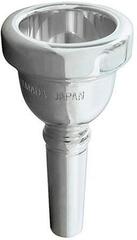
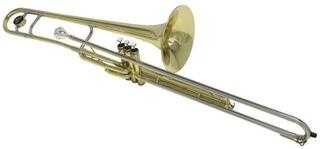
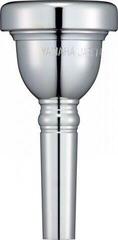
The bore and bell width affect both resistance and projection. A larger mouthpiece is not automatically louder; it can tire your embouchure. Trumpets and cornets use valves and a more compact shape, while tubas provide the bass foundation in a different way.
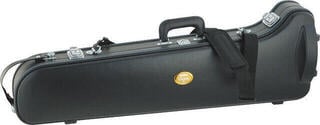
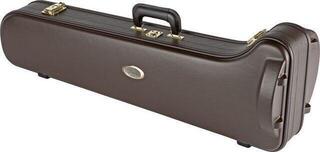
The case must protect the most sensitive part
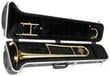
Store the slide secured and without pressure on the outer tubes. After playing, drain the condensation, remove the mouthpiece and rinse the inside regularly. A dent in the slide can stop it moving smoothly even without visible surface damage.
Slide positions are not fixed marks
You adjust every position by ear according to the register and dynamics. Marks on the slide may help you find your bearings, but they do not replace practice. Keep your grip on the slide relaxed during rapid movement; tension in your wrist slows its return and reduces accuracy.
The bell needs space when you put the instrument down
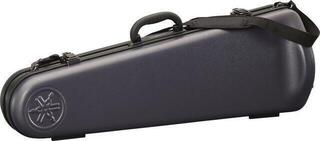
Do not rest the trombone on its slide or on the rim of its bell. The stand must hold the instrument without putting pressure on the sensitive tubing and must not obstruct the path of players on stage. When transporting it, check the internal compartments of the case so that the two main sections do not touch.
Test the slide across its full range, the weight in your left hand and the resistance of the mouthpiece; add a valve only if you will use it.