Albania
 Argentina
 Australia
 Austria
 Belgium
 Bosnia and Herzegovina
 Brazil
 Bulgaria
 Canada
 Chile
 Colombia
 Croatia
 Czech Republic
 Denmark
 Estonia
 Finland
 France
 Germany
 Greece
 Hungary
 Ireland
 Italy
 Latvia
 Lithuania
 Luxembourg
 Mexico
 Moldova
 Montenegro
 Netherlands
 New Zealand
 North Macedonia
 Norway
 Philippines
 Poland
 Portugal
 Romania
 Serbia
 Slovakia
 Slovenia
 South Africa
 Spain
 Sweden
 Switzerland
 Turkey
 Ukraine
 United Kingdom
 United States of America


Electro-Acoustic Guitars
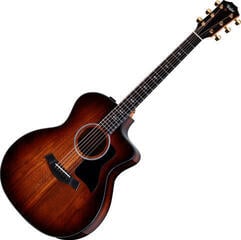
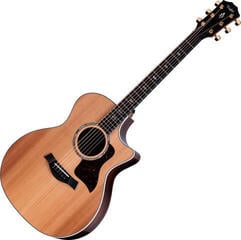
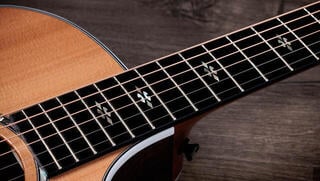
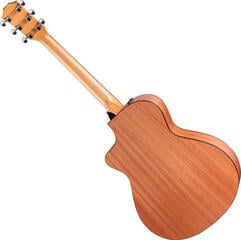
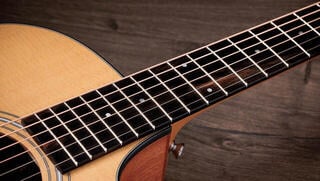
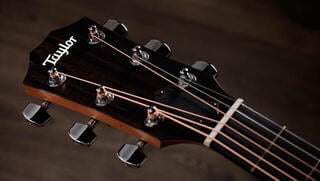
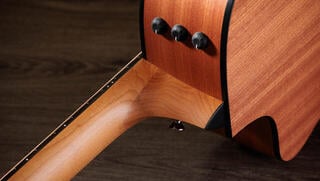
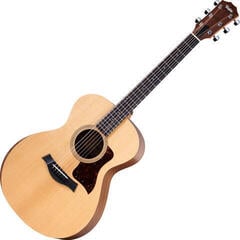
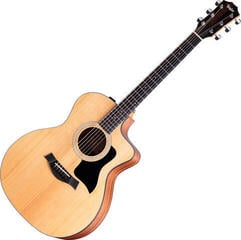
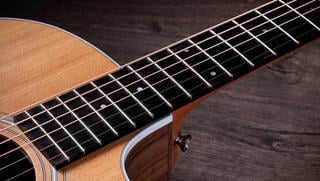
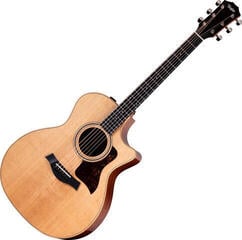
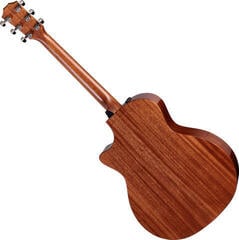
An electro-acoustic guitar is an acoustic instrument with a built-in pickup, so you can connect it to an amplifier, mixing console or audio interface without a microphone. It retains the natural sound of a wooden soundbox while giving you the option to play in a band, on stage or when recording. When choosing, consider the body shape and size, the type of electronics and where you plan to use the guitar.
Which body shape suits you?
| Body type | Character | When it is suitable |
|---|---|---|
| Electro-acoustic dreadnought | Strong, full sound with pronounced bass | Accompanying vocals and playing in a band |
| Electro-acoustic jumbo | Larger body, full bass and louder projection | Strumming and larger stages |
| Electro-acoustic folk guitars | Balanced sound that is easier to control | Playing at home and fingerstyle playing |
| 12-string electro-acoustic guitars | Paired strings for a full, chiming sound | Accompaniment and music where you want a distinctive character |
What to consider about the electronics
Check which controls the model offers—volume, equaliser and possibly a tuner—how it is powered and which output connector it uses. Resistance to feedback and preamp quality are also important for stage use. Simpler electronics are sufficient for playing at home.
Your first instrument and accessories
If you are just starting, explore guitars for beginners, which are often adapted for learning. You can amplify the guitar through guitar combos or a mixing console and protect it with a suitable bag or case.
What to check before choosing
- The body shape and size.
- The electronics type and power supply.
- Whether it has a tuner or equaliser.
- A cutaway for access to the upper frets.
- A bag or case matching its dimensions.
How the guitar sounds unplugged
An electro-acoustic guitar remains a fully functional acoustic guitar, so consider its unplugged sound when choosing. The top wood, body shape and cutaway affect both tone and playing comfort. Also check the string height above the fingerboard and the neck width if you have smaller hands.
Connections and the stage
You can connect the guitar directly to a mixing console through a DI box or plug it into an acoustic combo. Feedback can occur at higher volume. Reducing the bass, using a suitable filter and positioning the instrument appropriately in relation to the stage monitors can help.
Before choosing, compare the body shape, electronics and accessories, and bear in mind that some models are intended primarily for home use while others are designed for the stage.
Guitars for Beginners

Deals & Coupons: Electro-Acoustic Guitars
Unboxed: Electro-Acoustic Guitars
Bundles: Electro-Acoustic Guitars

Dreadnought guitars with electronics

Jumbo guitars with electronics

Folk guitars with electronics

12-String E-Acoustic Guitars

Special E-Acoustic Guitars
Lefthanded Guitars

Combos for Acoustic-electric Guitars

Gig Bags for Acoustic Guitars

Cases for Acoustic Guitars

Sheet Music for Guitars

Metronomes

Guitar Accessories