Albania
 Argentina
 Australia
 Austria
 Belgium
 Bosnia and Herzegovina
 Brazil
 Bulgaria
 Canada
 Chile
 Colombia
 Croatia
 Czech Republic
 Denmark
 Estonia
 Finland
 France
 Germany
 Greece
 Hungary
 Ireland
 Italy
 Latvia
 Lithuania
 Luxembourg
 Mexico
 Moldova
 Montenegro
 Netherlands
 New Zealand
 North Macedonia
 Norway
 Philippines
 Poland
 Portugal
 Romania
 Serbia
 Slovakia
 Slovenia
 South Africa
 Spain
 Sweden
 Switzerland
 Turkey
 Ukraine
 United Kingdom
 United States of America


Portable Audio
Portable audio lets you listen to music, spoken-word programmes, and other audio content away from home. This category includes devices designed for personal listening as well as models that play sound aloud for several people. When choosing, consider how you will carry the device, the playback source, its power supply, and the environment where you want to use it. Choose the right type for the specific situation rather than based only on its appearance or number of features.
Portable audio
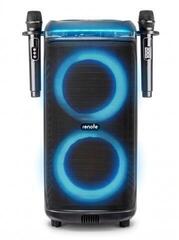
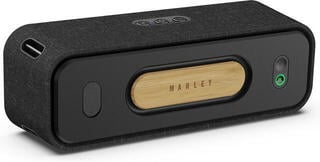
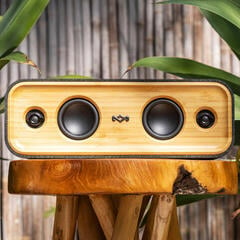
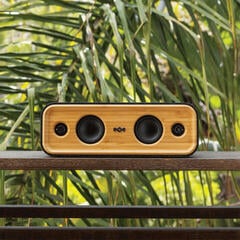
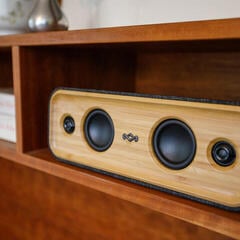
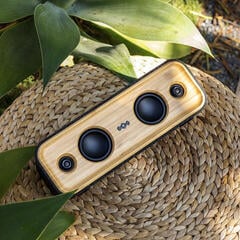
Different types of portable audio meet different needs. Headphones are suitable for individual listening while travelling, working, or relaxing. A portable speaker is useful when several people need to hear the sound or when you do not want to wear a device on your ears. A radio receiver is suitable for receiving available broadcasts, while a portable player works with content stored on the device or on supported media.
Before deciding, consider whether the audio device will spend most of its time in a bag, in a pocket, on a table, or being moved between rooms. The term “portable” can cover both a small personal device and a larger model with a handle. What matters is therefore not only whether it can be moved, but also how often and how far you will carry it.
Comparison of basic device types
| Device type | Listening method | Typical use | What to check |
|---|---|---|---|
| Headphones | Personal | Travelling, walking, working, or relaxing | Design, connection method, controls, and suitability while moving |
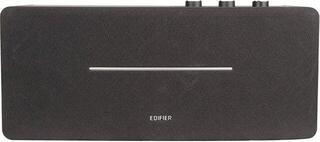
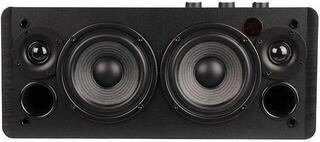
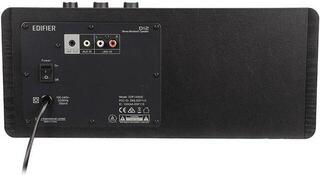
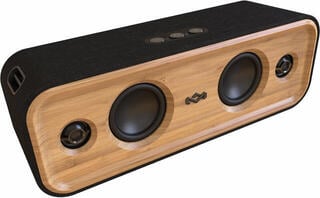
| Portable speaker | Aloud for one or more listeners | At home, at a gathering, or away from home | Dimensions, weight, power supply, inputs, and conditions of use |
| Portable radio | Aloud or through an available output | Listening to broadcasts at home, at work, or while travelling | Supported reception method, tuning, controls, and power supply |
| Portable player | Usually personal | Playing your own stored content | Supported media, formats, connectors, controls, and capacity |
Playback source and connection method
First decide where the sound will come from. It may come from a phone, computer, stored files, physical media, or available radio broadcasts. Not every device supports every source, so check its specifications for specific inputs, wireless options, supported media, and formats. If you want to alternate between several sources, also check how you switch between them and whether the everyday controls suit you.
A wired connection can be practical when you want to use the relevant output on the source device. A wireless connection reduces the need for a cable between the source and the audio device, but requires a connection method supported by both. A player with its own storage lets you listen without using your phone, but you will need to transfer and manage files. For a radio, check which type of broadcast it can receive in the area where you plan to use it.
Power at home and while travelling
The type of power supply affects where and how you can use the device. Some models have a built-in rechargeable battery, while others use replaceable batteries, mains power, or a combination of several options. For a rechargeable battery, check the charging type and the availability of a suitable power source at the places you visit. For replaceable batteries, check the required type and quantity; for a mains-powered device, check whether you will need a power socket.
Do not judge battery life by a single figure alone. Real-world use may be affected by the selected features, volume setting, connection method, and condition of the power source. It is more practical to consider whether you will be able to charge the device or replace its batteries during the day. Remember to check whether the required power accessories are compatible with the device you already use.
Environment and listening on the move
For everyday carrying around town, low weight, easy storage, and operation without lengthy setup may be important. On a longer journey, also consider comfort, access to power, and space in your luggage. If you intend to use the device outdoors, in a dusty area, or near water, look for the exact stated level of protection; being portable alone does not guarantee protection from environmental conditions.
When listening personally, make sure you can hear traffic, announcements, and people around you when the situation requires it. Set the volume to suit the environment and avoid disturbing others. Use a portable speaker with respect for the rules of the location. When cycling, exercising, or working in higher-risk conditions, prioritise safe awareness of your surroundings over isolated listening.
Practical checklist for choosing portable audio
- Decide whether you want to listen alone or share the sound with other people.
- List the places where you will most often use and carry the device.
- Choose the main audio source: phone, computer, stored files, media, or broadcasts.
- Check the specific connection method for devices you already own.
- Check supported media and formats if you play your own content.
- Choose between a rechargeable battery, replaceable batteries, and mains power.
- Check the charging type and access to power during a normal day or journey.
- Assess the dimensions and weight in relation to your pocket, bag, luggage, or table space.
- Try the controls to make sure you understand them and can adjust the required settings comfortably.
- For headphones, consider the design, comfort, and stability during your planned activity.
- For a speaker, consider its placement and considerate use around others.
- For a radio, check the supported reception method at the place of use.
- If you plan to use it outdoors, check the explicitly stated protection against the relevant conditions.
- Make sure the package contents and required accessories cover your intended use.