Albania
 Argentina
 Australia
 Austria
 Belgium
 Bosnia and Herzegovina
 Brazil
 Bulgaria
 Canada
 Chile
 Colombia
 Croatia
 Czech Republic
 Denmark
 Estonia
 Finland
 France
 Germany
 Greece
 Hungary
 Ireland
 Italy
 Latvia
 Lithuania
 Luxembourg
 Mexico
 Moldova
 Montenegro
 Netherlands
 New Zealand
 North Macedonia
 Norway
 Philippines
 Poland
 Portugal
 Romania
 Serbia
 Slovakia
 Slovenia
 South Africa
 Spain
 Sweden
 Switzerland
 Turkey
 Ukraine
 United Kingdom
 United States of America



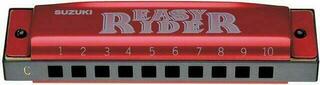
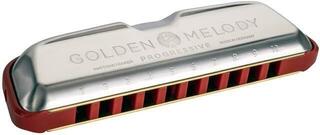
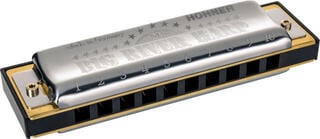
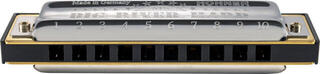
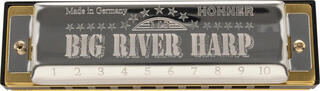
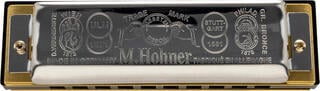
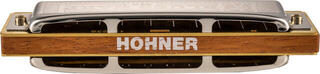
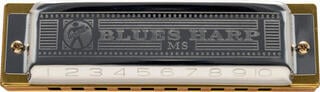
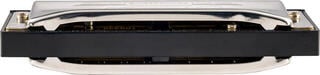
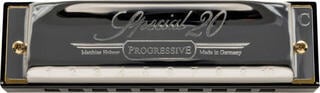
Mouth Harmonicas
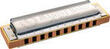
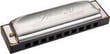
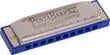
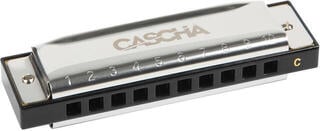
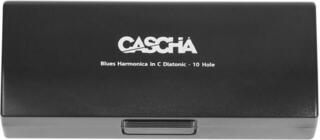
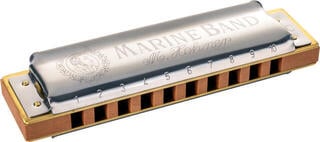
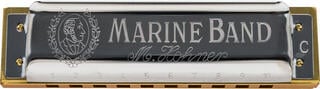
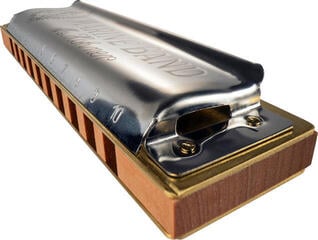
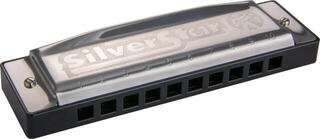
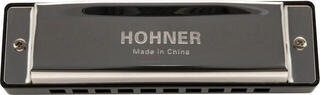
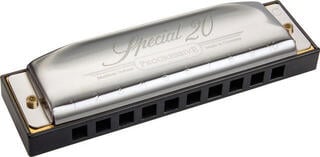
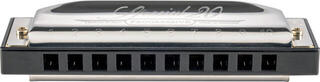
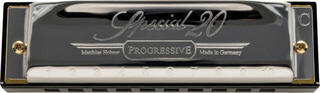
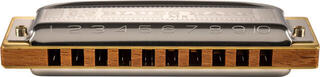
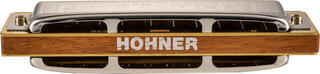
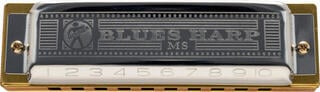
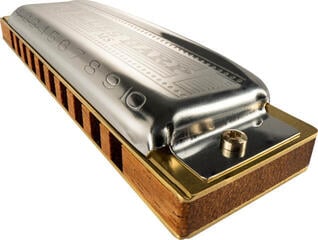
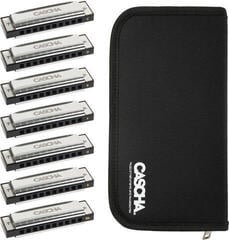
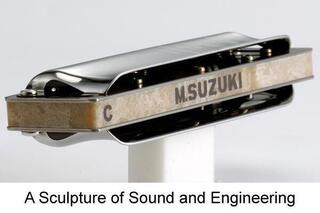
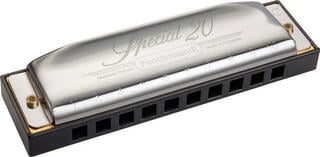
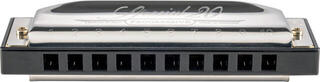
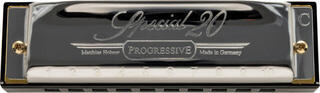
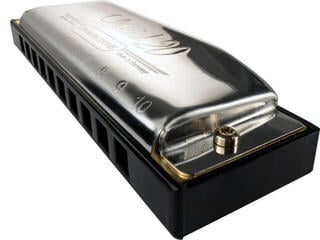
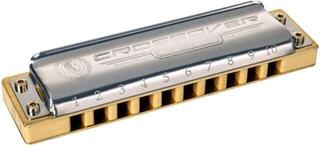
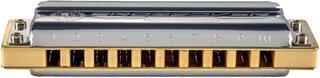
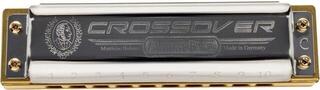
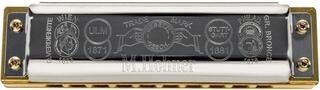
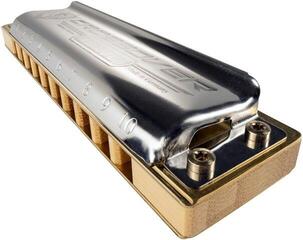
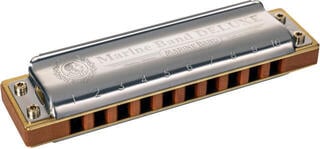
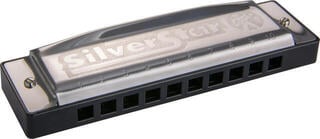
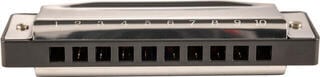
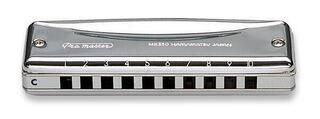
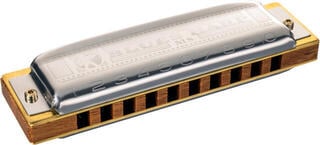
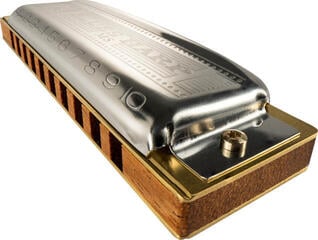
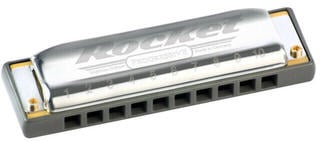
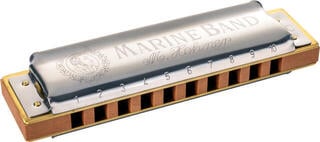
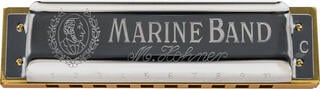
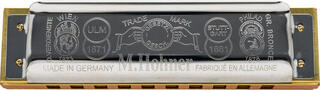
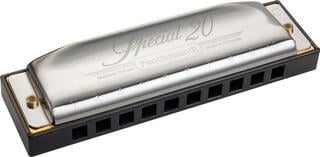
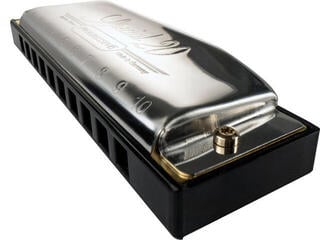
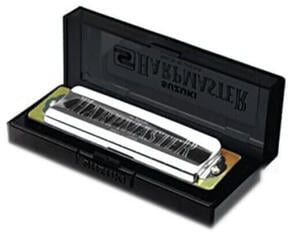
A harmonica responds to both exhaling and inhaling, so its small body offers chords as well as individual notes. Before buying, decide on the musical style, key and whether you want to bend notes or play chromatic melodies. A ten-hole diatonic harmonica in C is usually the clearest option for your first experience, but it is not a universal answer for every repertoire.
Diatonic, tremolo or chromatic
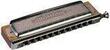
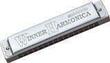
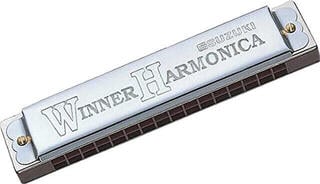
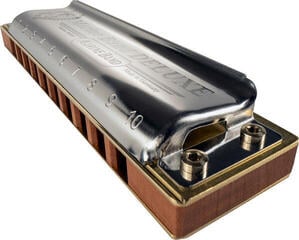
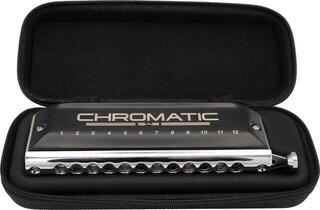
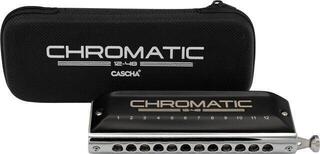
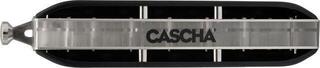
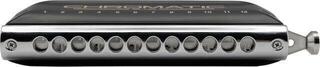
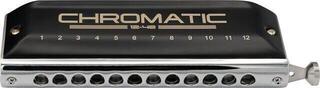
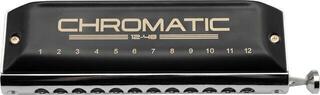
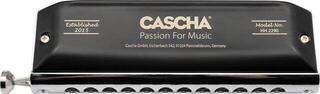
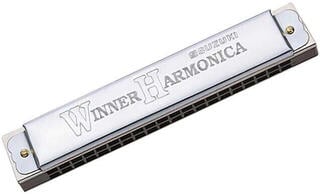
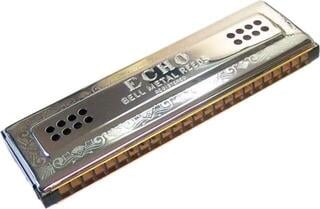
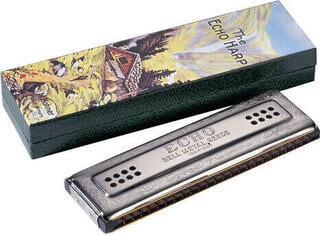
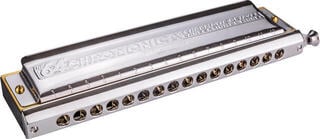
A diatonic model is suitable for blues, folk and rock; for songs in different keys, you will eventually need several harmonicas. A tremolo uses pairs of slightly detuned reeds and creates the wavering tone familiar from folk music. A chromatic harmonica has a slide for semitones and opens up jazz or classical repertoire, but requires more precise breath control.
Tuning, holes and reed resistance
Choose the key according to the songs or band, not just your favourite brand. The number of holes determines the range and note layout. As a beginner, you will benefit from an instrument that responds without forceful blowing; excessive pressure detunes the reeds and makes it harder to produce a clean tone.
Hygiene and routine care
Do not eat sweet foods before playing, tap out the moisture after playing and let the harmonica dry. Do not soak a wooden comb. If you want to try another compact wind instrument with fixed tuning, have a look at ethnic whistles.
Note layout depends on the construction
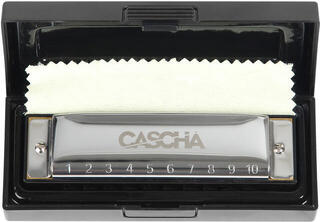
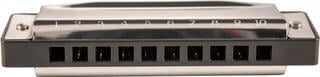
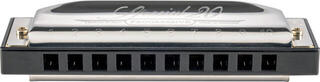
The Richter tuning of a standard ten-hole harmonica divides the lower holes more towards chordal accompaniment and the middle and upper holes towards melody. The same number of holes does not necessarily mean the same layout: Asian tremolo, octave and tunings for specific styles may use a different scheme. Before buying from tablature, check the exact type of tuning.
Note bending requires suitable breath control
Bending is produced by changing the shape of your oral cavity, not by blowing harder. On a diatonic harmonica, it expands your expressive range and adds missing notes, but the extent of the bend depends on the hole and direction of airflow. Keep the airflow steady; overloading a reed shortens its life and impairs tuning.
The comb and covers affect how playing feels
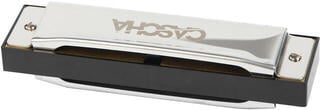
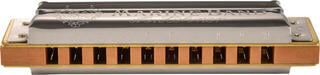
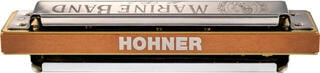
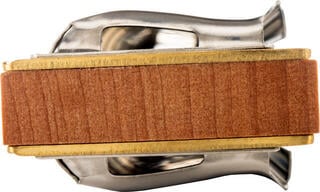
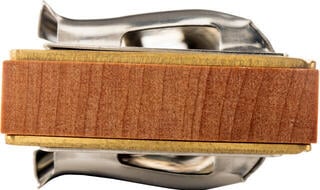
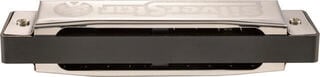
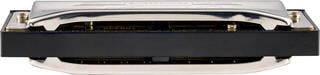
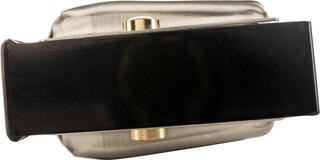
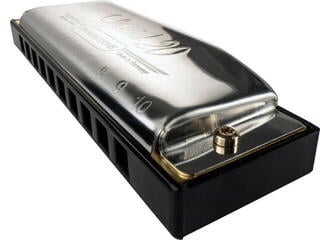
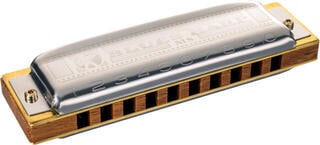
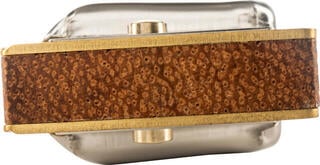
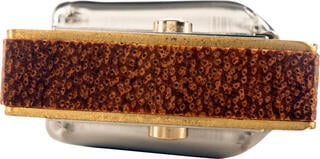
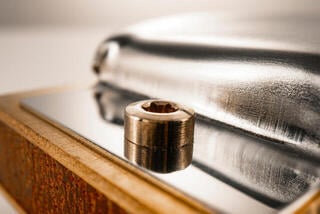
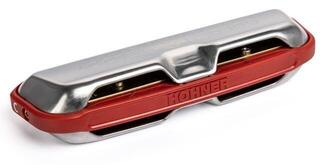
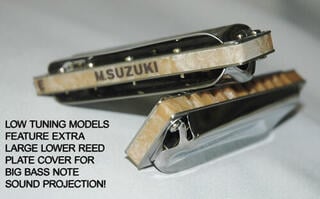
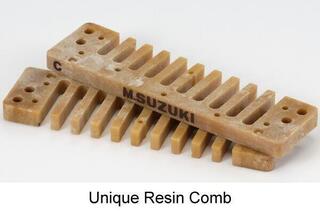
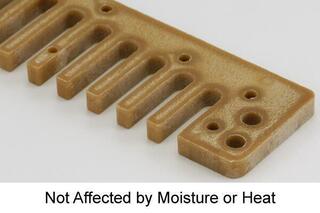
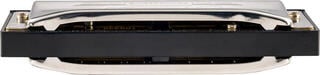
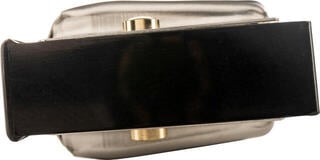
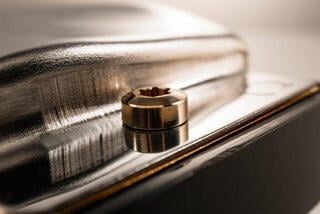
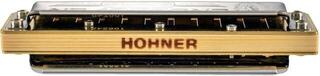
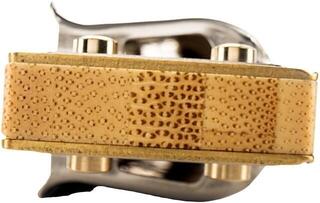
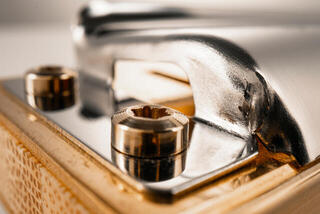
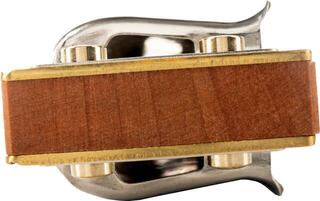
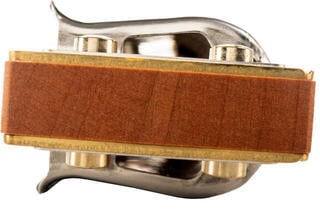
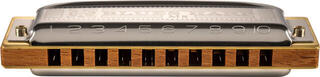
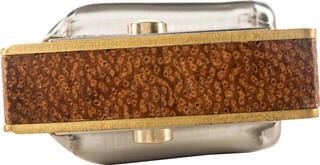
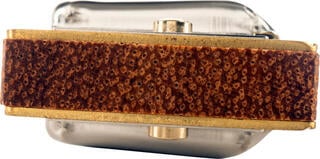
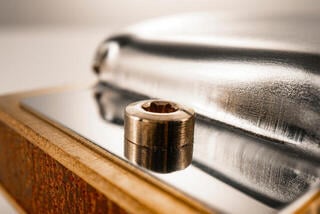
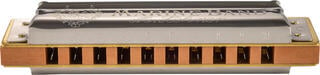
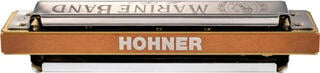
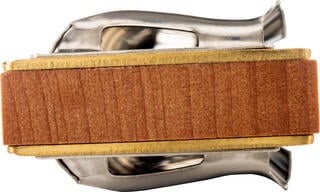
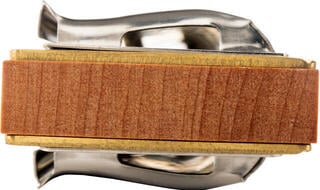
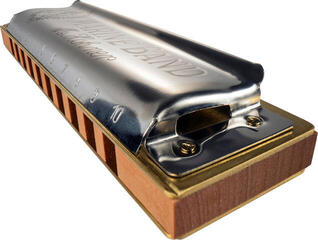
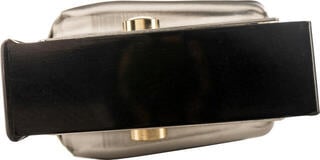
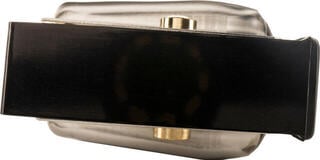
A plastic comb is stable and easy to clean, while a wooden one may feel pleasant on your lips but reacts more sensitively to moisture. Metal combs tend to be heavier. Rounded covers and smooth edges are more important during long playing sessions than a glossy finish.
Do not share the instrument without proper hygiene
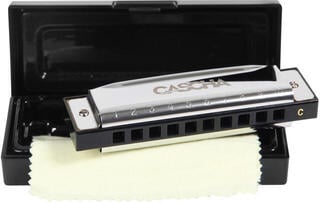
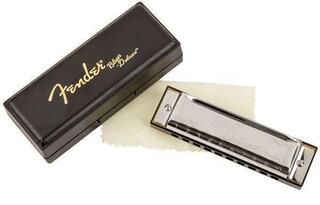
A harmonica comes into direct contact with saliva. Store your own instrument in a ventilated case and read the care instructions for the comb material before cleaning it. A disinfectant suitable for one model may damage the wood, valves or finish of another.
First choose the type and key, then compare mouthpiece comfort and reed response with gentle airflow.