Albania
 Argentina
 Australia
 Austria
 Belgium
 Bosnia and Herzegovina
 Brazil
 Bulgaria
 Canada
 Chile
 Colombia
 Croatia
 Czech Republic
 Denmark
 Estonia
 Finland
 France
 Germany
 Greece
 Hungary
 Ireland
 Italy
 Latvia
 Lithuania
 Luxembourg
 Mexico
 Moldova
 Montenegro
 Netherlands
 New Zealand
 North Macedonia
 Norway
 Philippines
 Poland
 Portugal
 Romania
 Serbia
 Slovakia
 Slovenia
 South Africa
 Spain
 Sweden
 Switzerland
 Turkey
 Ukraine
 United Kingdom
 United States of America



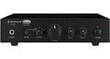
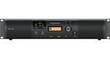
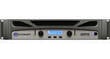
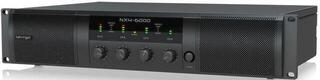
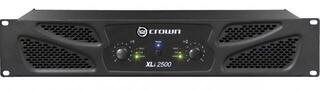
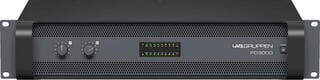
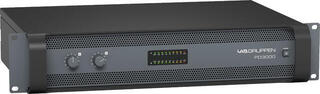
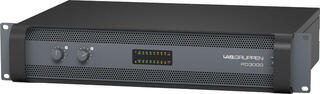
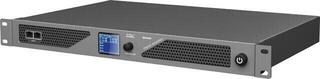
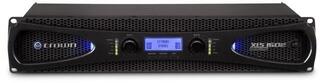
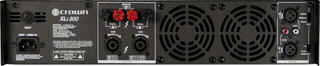
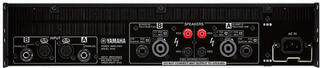
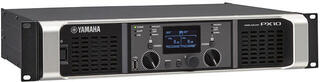
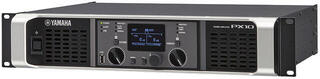
Power Amplifiers
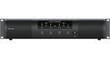
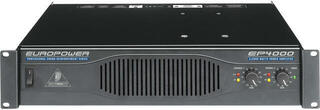
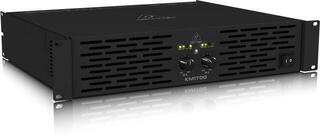
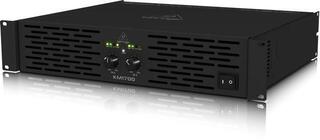
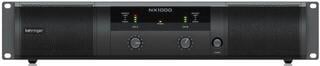
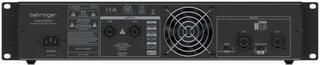
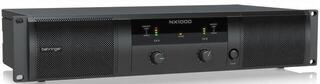
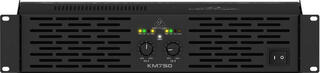
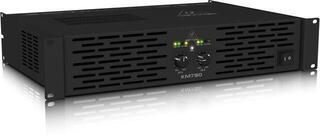
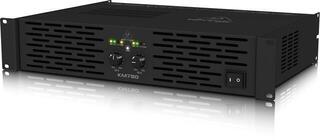
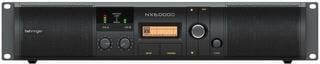
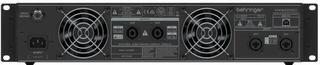
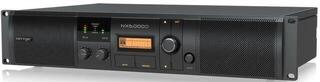
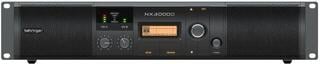
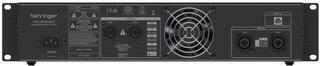
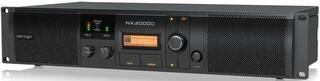
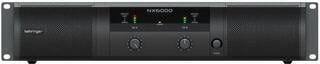
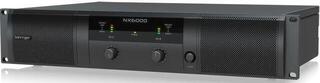
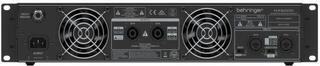
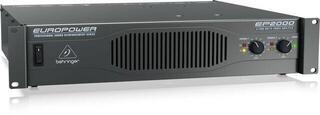
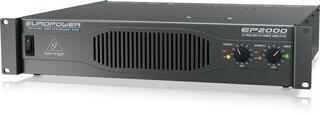
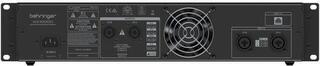
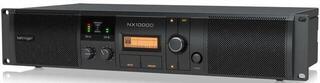
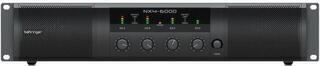
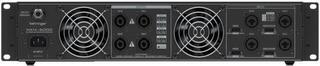
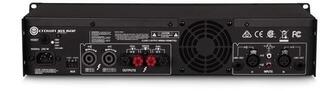
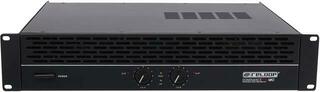
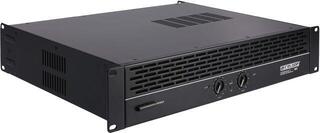
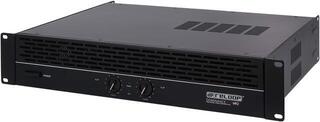
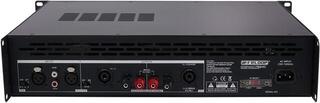
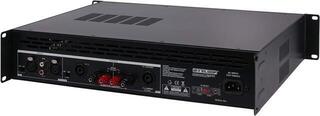
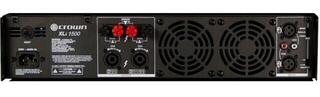
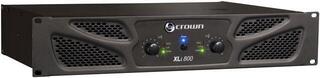
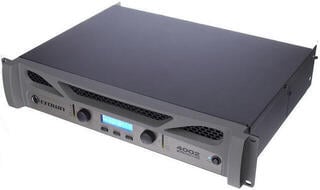
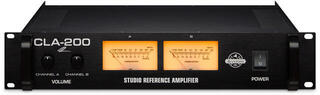
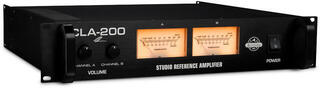
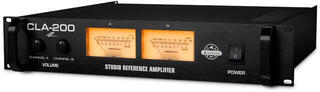
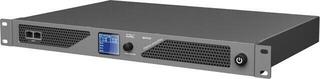
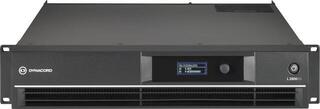
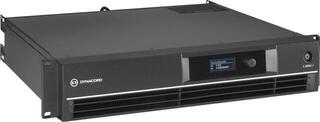
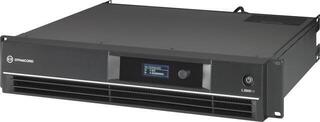
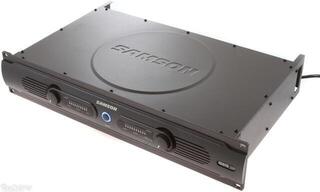
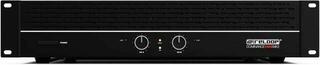
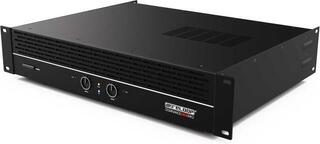
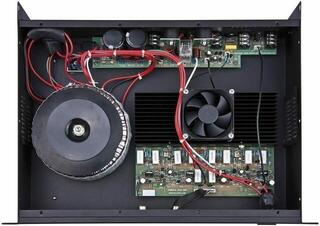
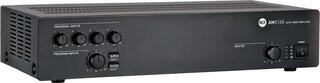
A power amplifier accepts a line-level signal and supplies power to passive PA speakers, making it the crucial link between the mixer and the speakers. When choosing, assess power together with impedance, channel count and connection method. A model for a small setup may not suit a larger PA system, and a higher wattage figure alone does not guarantee a correct match. Cooling, protection circuits, connectors and installation conditions also matter.
Start with the PA speakers and planned connections
First note the nominal impedance and power ratings of each passive PA speaker from the manufacturer's documentation. Then determine how many speakers you will connect to each channel and how they will be connected. The resulting load may decrease with a parallel connection; the amplifier must not operate below its permitted value. If you are unsure of the calculation, do not proceed by trial and error.
The passive PA speaker category makes sense precisely when you want to choose amplification separately. An external power amplifier is not normally used for a complete active enclosure because the amplifier module is already built in. Check the speaker type first, then compare amplifiers.
Always read power together with impedance
A wattage figure without operating conditions is incomplete. The same amplifier may deliver different power at different impedances and in bridge mode. Compare values stated on the same basis and follow the recommendations from both equipment manufacturers. Lower and higher power classes help narrow the selection, but their boundaries are not a universal guide for every speaker.
| Question | Why it matters | Where to find the answer |
|---|---|---|
| What load will be connected to the channel? | Determines whether the amplifier operates within its permitted range | Wiring diagram and PA speaker impedance |
| How many independent branches do you need? | Determines the number of channels | Plan for the main PA, monitors and zones |
| Will you use bridge mode? | Changes both the available power and connection rules | Manual for the particular amplifier |
| How is the device cooled? | Affects rack placement and clearances | Ventilation openings and installation instructions |
If your project genuinely fits this class, you can compare 300–500 W amplifiers at 4 ohms. The value in the filter name narrows the selection; it is not a recommendation for a particular speaker. First confirm the impedance, measurement method and operating mode in the technical specifications.
Number of channels and intended use
Two-channel connection
You can use two channels for left and right or for two independent branches. Set each channel for the connected system. A stereo signal does not mean that every space needs a pronounced left-right split; even coverage is often more important for spoken word.
Multiple channels in one device
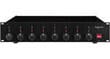
A multi-channel amplifier reduces the number of separate devices required for monitors, zones or installations. Check whether every channel has the necessary controls, protection and connectors. When planning, also consider what happens to the entire system if the shared device fails.
Bridge mode
Bridge mode combines channels for a specific application, but it changes the permitted load and cable wiring. Activate it only if the manufacturer supports it and you fully understand the diagram. The standard wiring of a speaker connector may not be the same in bridge mode.
Inputs, outputs and signal processing
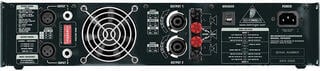
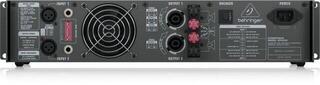
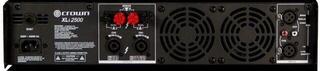
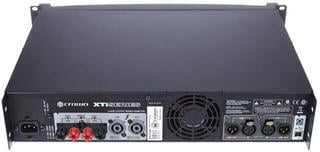
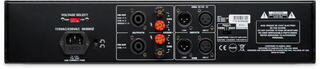
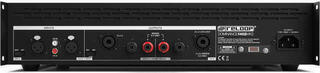
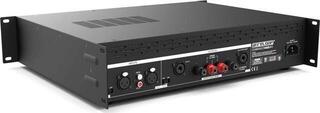
Balanced inputs are commonly used and are suitable for longer cable runs in a PA system. The output requires a speaker cable designed to carry power, not an instrument or microphone cable simply because it has a similar connector. Also check the pin configuration and connector locking.
Some models include digital processing, filters or network control, while others are intentionally simple. The system may use a separate processor or crossover to divide frequency bands. Never enable a function blindly: an incorrect filter or routing setting may send an unsuitable part of the spectrum to a speaker.
Cooling and installation
A power amplifier can generate heat during operation. Do not cover intake or exhaust openings, and leave the clearances specified in the manual. In a rack, consider both airflow and equipment weight; heavier units need suitable support. Remove dust regularly using a method approved by the manufacturer.
- Place the rack on a stable surface away from rain and spilled drinks.
- Design the power supply for the consumption of the entire system, not just one device.
- Label cables by channel to prevent branches being mixed up during reconfiguration.
- Do not ignore limit or protection indicators; they are a prompt to check levels and the load.
Correct power-up sequence
- Switch off the equipment and turn down levels before connecting it.
- Connect the sources and mixer, then the amplifier inputs and finally the PA speakers.
- Switch on the signal sources and console; switch on the power amplifier last.
- Raise the level gradually during the test and monitor the indicators.
- When shutting down, switch off the power amplifier first.
Protection functions and operating headroom
Protection against overheating, short circuits or unsuitable loads may limit the output or temporarily switch the device off. It is not a substitute for correct system design. If protection engages, reduce the level, shut down the system as instructed and check the wiring, impedance and ventilation. Do not address repeated shutdowns by bypassing protection.
Assess headroom for the actual programme and operating method. Short musical peaks and a continuous test tone do not load the system in the same way. A limiter can help maintain safe boundaries, but it must be set for the speakers and amplifier. Without the required data, do not copy settings from someone else's system.
Separate amplifier or active PA speaker
| Solution | When to consider it | What it provides |
|---|---|---|
| Power amplifier + passive PA speakers | Permanent system, existing passive speakers, central technical position | Separate choice of amplification and speakers |
| active PA speakers | Mobile PA and shorter signal runs | Amplification is built into each enclosure, but each one needs power |
| Multi-zone installation solution | Distribution of the signal to several spaces | Requires cable-run, zone and distribution planning |
Select cables and connectors according to the connection, conductor cross-section and cable-run length, and choose a protective case for the transport method. An amplifier lets you use passive PA speakers only when the entire chain is electrically and mechanically compatible. Instead of assuming that “more powerful is better”, work from the documentation for both sides and a realistic connection plan.