Albania
 Argentina
 Australia
 Austria
 Belgium
 Bosnia and Herzegovina
 Brazil
 Bulgaria
 Canada
 Chile
 Colombia
 Croatia
 Czech Republic
 Denmark
 Estonia
 Finland
 France
 Germany
 Greece
 Hungary
 Ireland
 Italy
 Latvia
 Lithuania
 Luxembourg
 Mexico
 Moldova
 Montenegro
 Netherlands
 New Zealand
 North Macedonia
 Norway
 Philippines
 Poland
 Portugal
 Romania
 Serbia
 Slovakia
 Slovenia
 South Africa
 Spain
 Sweden
 Switzerland
 Turkey
 Ukraine
 United Kingdom
 United States of America


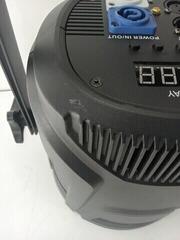
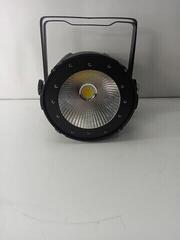
PAR Lights
A PAR light is a basic lighting fixture that illuminates a stage, club or event with a wide cone of light. It is simple, durable and can be combined with other lights in one setup. When choosing, check the type of light source (LED or conventional lamp), power, beam angle, controls and mounting method. The range includes models from brands such as Light4Me, LWS and Fractal Lights.
Classic PAR or LED PAR?
| Type | Particularly suitable for | What to consider |
|---|---|---|
| Classic PAR | Fixed colour lighting, theatre and club use with colour filters | The light source is a lamp, filters determine the colour and power consumption tends to be higher |
| LED PAR | Changing colours, effect lighting, frequent transport | You change the colour via DMX or a controller, and filters are often unnecessary |
What to check on an LED PAR
- Colour system: RGB, RGBW or TRI provide different ranges of colours and mixed white light.
- Number and power of LEDs: more diodes mean a larger illuminated area, but you need to compare the output with the size of the space.
- Control: standalone mode, sound activation, DMX or remote control.
- Power supply: mains-powered or battery-powered models, for example for mobile use without a power connection.
- Dimensions and weight: smaller mini PARs are suitable for smaller stages or rehearsal rooms.
How to add a PAR to your setup
You can connect individual lights into groups via DMX and control them together, making it easier to coordinate colours and scenes. With more lights, also consider their layout: front lighting creates the basic brightness, while side and rear lighting adds depth and separates the performer from the background. Also check how many lights the truss can support and whether the power supply is sufficient. If you do not want to assemble the lights individually, take a look at lighting sets. To emphasise movement and shapes, complement the PARs with moving heads, LED bars or strobes.
What to check before buying
- The size of the space and the distance from which you will light it.
- The number of lights you need and whether they will be connected via DMX.
- Mounting type: on a stand, truss or the floor.
- Power consumption and supply, especially if you have a larger number of lights.
- Cables and controller so you can safely connect and configure the setup.
You can find a wider lighting range in the parent lights category.