Albania
 Argentina
 Australia
 Austria
 Belgium
 Bosnia and Herzegovina
 Brazil
 Bulgaria
 Canada
 Chile
 Colombia
 Croatia
 Czech Republic
 Denmark
 Estonia
 Finland
 France
 Germany
 Greece
 Hungary
 Ireland
 Italy
 Latvia
 Lithuania
 Luxembourg
 Mexico
 Moldova
 Montenegro
 Netherlands
 New Zealand
 North Macedonia
 Norway
 Philippines
 Poland
 Portugal
 Romania
 Serbia
 Slovakia
 Slovenia
 South Africa
 Spain
 Sweden
 Switzerland
 Turkey
 Ukraine
 United Kingdom
 United States of America


Batteries
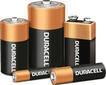
Batteries power remote controls, clocks, cameras, flashlights, toys, measuring instruments, and other electronics. When choosing one, comparing only the shape or label on the packaging is not enough, because the device may require a specific size, voltage, chemistry, polarity, or connector. Always follow the device manual and the information on the original battery. Choosing correctly and handling batteries safely helps prevent damage to electronics, electrolyte leakage, overheating, or short circuits.
Batteries by type and use
The basic distinction is between disposable and rechargeable batteries. Disposable cells must not be recharged after they are depleted, while rechargeable cells or battery packs require a compatible charger and the correct charging mode. The same external format does not necessarily mean the same electrical properties, so do not replace one type with another just because it fits in the compartment.
| Type | Common use | What to check |
|---|---|---|
| Alkaline cells | Remote controls, clocks, toys, and common small electronics | Size designation, nominal voltage, polarity, and the type permitted by the manual |
| Disposable lithium cells | Selected sensors, photographic equipment, meters, or backup power | Exact cell designation, voltage, and explicit approval from the device manufacturer |
| NiMH batteries | Devices designed for rechargeable cells | Format, voltage, suitable charger, and device requirements |
| Lithium rechargeable batteries | Portable electronics, flashlights, and specialized devices | Chemistry, voltage, dimensions, polarity, protection circuit, connector, and charging method |
| Button and coin cells | Watches, calculators, remote controls, and small electronic devices | Full type designation, diameter, height, voltage, and polarity |
| Battery packs | Models, tools, backup power, or specialized power supplies | Cell configuration, voltage, connector, polarity, protection, and suitability for the specific device |
Exact compatibility with the device
The most reliable reference is the user manual, the label in the battery compartment, or the manufacturer's documentation. Copy the full designation of the original battery, including letters, numbers, and any chemistry information. For a replaceable battery pack, also compare its model designation and list of supported devices; a similar product name or the same brand does not confirm compatibility.
The nominal voltage must meet the electronics' requirements. Consider capacity only after checking the type, voltage, and dimensions, and do not treat it as a guarantee of a specific runtime, because power consumption depends on the device, how it is used, the temperature, and the cell's condition. For lithium cells, check whether the device requires a protected or unprotected version; these variants may also differ in physical length.
For a battery with a cable, the connector, number of contacts, wire arrangement, and polarity must match. A connector that can be inserted mechanically does not necessarily have the same electrical wiring. Do not modify the battery, rewire its contacts, or force it into place. If information is missing or contradictory, do not replace the battery until you have verified compatibility in the device documentation.
What to check when choosing a battery
- Find the exact device model and required battery type in the manual or on the label.
- Copy the full type designation of the original cell or battery pack.
- Check whether it is disposable or rechargeable and which chemistry the device permits.
- Compare the nominal voltage; do not choose a replacement based only on a similar appearance.
- Check the size, shape, and correct fit in the battery compartment, without pressure or looseness.
- Check contact polarity and, for a wired version, the connector, number of pins, and wiring.
- For a lithium battery, check the protection-circuit requirement and compatible charging method.
- For a pack, verify the number and configuration of cells from the documentation, not only the casing's overall dimensions.
- Check that the casing and contacts are intact and that there is no swelling, corrosion, or leakage.
- Before charging, confirm that the charger supports the battery's type, chemistry, and configuration.
Safe use and charging
Observe the polarity marked in the device, and do not mix new and used cells or different types, brands, or charge levels in one set. Do not recharge disposable batteries. Use rechargeable batteries only with a charger designed for their chemistry and configuration, and leave them on a stable, non-flammable surface away from heat sources while charging.
Stop using a battery if it is swollen, damaged, unusually hot, has an odor, or is leaking electrolyte. Do not touch leaked material with your bare hand, and follow the manufacturer's safety instructions. Do not short-circuit the contacts with metal objects, or disassemble, puncture, crush, or throw the cell into a fire. Keep button cells and small batteries out of reach of children and animals, because swallowing one requires immediate professional help.
Storage and disposal
Store batteries in a dry, cool, ventilated place away from direct sunlight, heaters, water, and flammable materials. Keep them in their original packaging or protect their contacts individually so they cannot touch metal objects or other batteries. Do not carry loose cells together with keys or coins. Follow the device manual when it will be unused for a long time; if it recommends removing the batteries, store them separately and check their condition regularly.
Do not use a damaged battery, and do not ship it by ordinary means without first checking the rules for that battery type. Used cells and rechargeable batteries do not belong in mixed waste. Take them to a designated collection point or battery return container, protect the contacts where there is a risk of short circuit, and follow local battery-handling instructions.