Albania
 Argentina
 Australia
 Austria
 Belgium
 Bosnia and Herzegovina
 Brazil
 Bulgaria
 Canada
 Chile
 Colombia
 Croatia
 Czech Republic
 Denmark
 Estonia
 Finland
 France
 Germany
 Greece
 Hungary
 Ireland
 Italy
 Latvia
 Lithuania
 Luxembourg
 Mexico
 Moldova
 Montenegro
 Netherlands
 New Zealand
 North Macedonia
 Norway
 Philippines
 Poland
 Portugal
 Romania
 Serbia
 Slovakia
 Slovenia
 South Africa
 Spain
 Sweden
 Switzerland
 Turkey
 Ukraine
 United Kingdom
 United States of America



Loudspeakers components
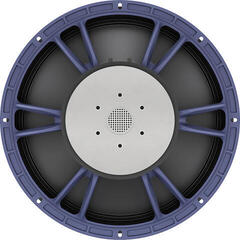
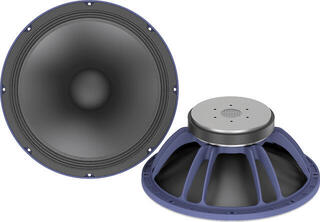
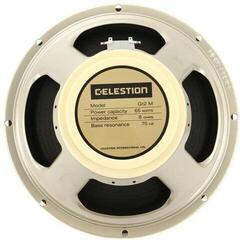
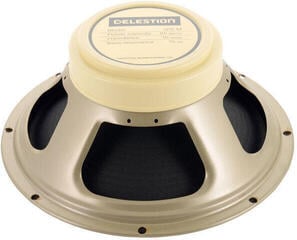
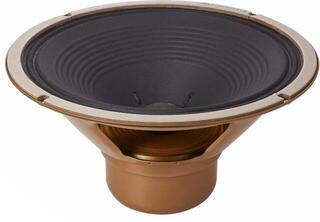
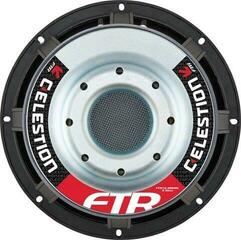
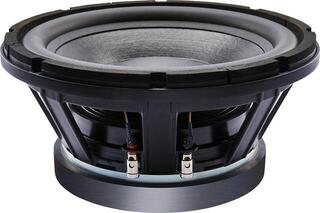
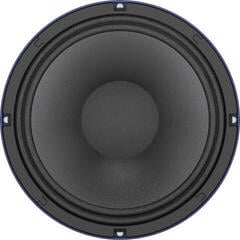
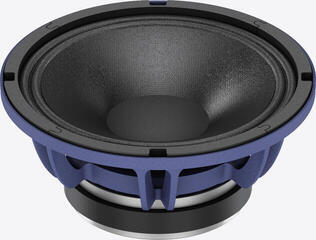
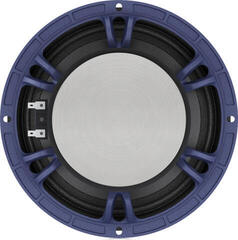
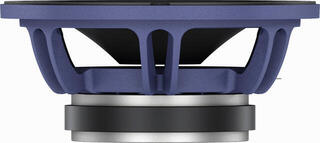
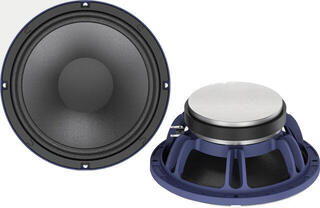
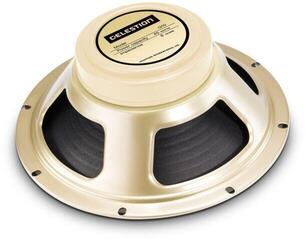
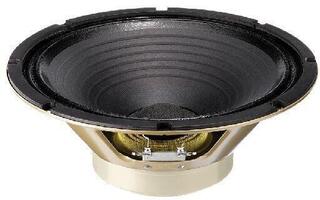
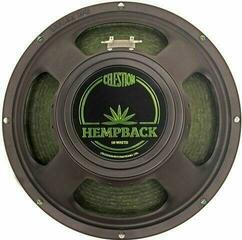
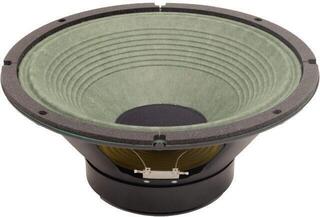
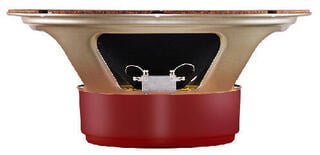
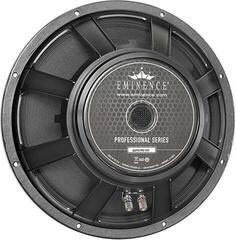
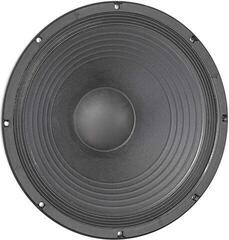
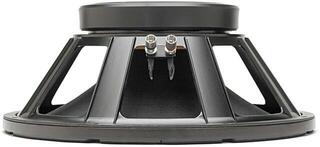
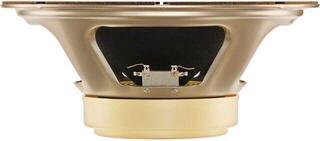
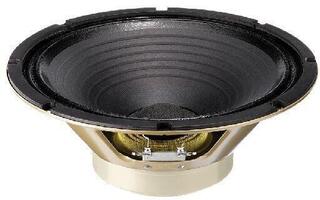
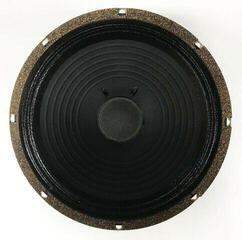
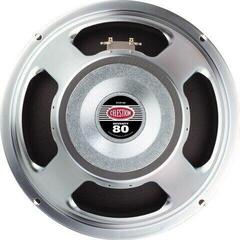
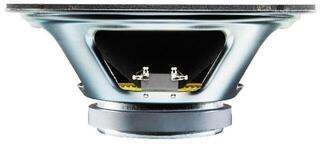
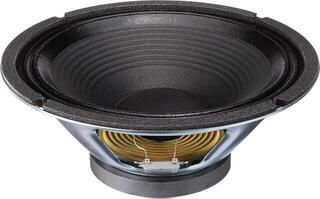
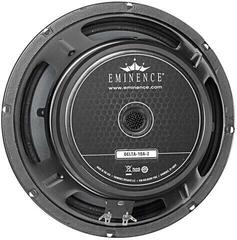
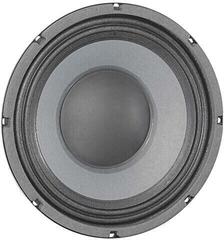
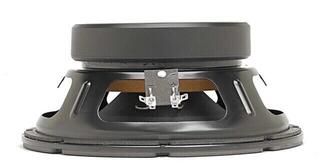
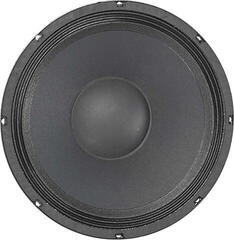
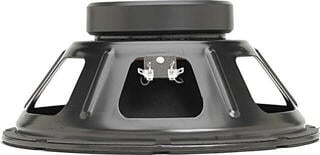
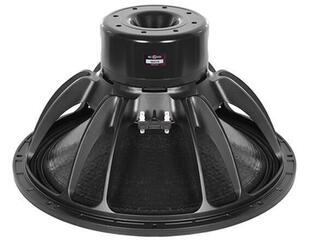
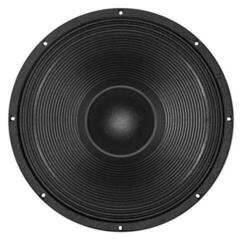
Speaker spare parts allow you to repair a damaged or worn driver without replacing the entire sound system, if the repair is technically and economically appropriate. Here you will find tweeters, midrange and bass drivers, speakers for guitar or bass guitar amps, PA speakers and service parts. The correct part is not selected by diameter alone; it must match electrically, mechanically and acoustically. Before ordering, identify the exact speaker or cabinet model and compare the manufacturer’s documentation.
First determine what is actually damaged
Distortion does not always mean a faulty driver. The cause may be a cable, amplifier, crossover, loose connection or an object vibrating inside the cabinet. Check each part at a low level and do not continue loading damaged equipment. If you smell overheating, hear mechanical rubbing or the driver has no signal, disconnect the system and continue with measurement or professional diagnostics.
A visibly damaged cone is a clear indication, but a voice-coil or crossover fault may not be obvious externally. Voice-coil resistance measured with a multimeter is not identical to nominal impedance, but it can help detect an open circuit or short circuit. Measure with the driver disconnected and compare the result with the service data. For mains-powered active speakers, leave work on the amplifier section to qualified service personnel.
Part type by frequency band
| Part | Role in the system | Important parameters |
|---|---|---|
| Tweeter | High-frequency reproduction | Impedance, sensitivity, dimensions, mounting and operating range |
| Midrange speaker | Midrange reproduction | Range, sensitivity, cabinet volume and crossover frequencies |
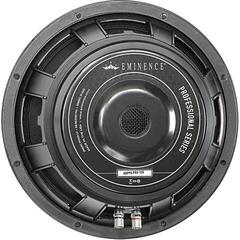
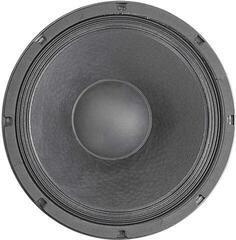
| Woofer or subwoofer driver | Low frequencies and mechanically demanding excursion | Driver parameters, impedance, diameter, depth and suitable cabinet |
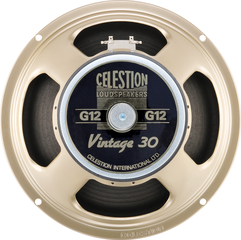
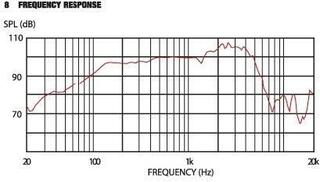
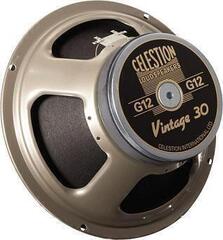
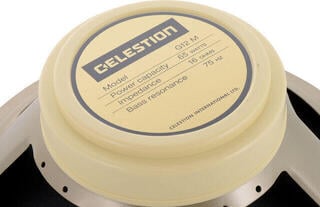
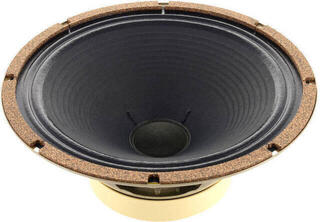
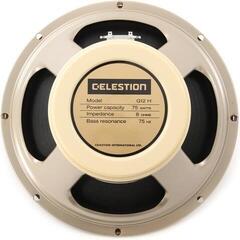
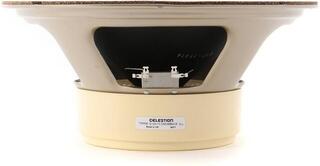
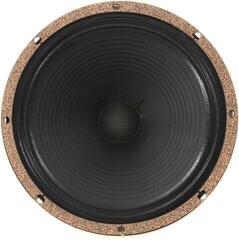
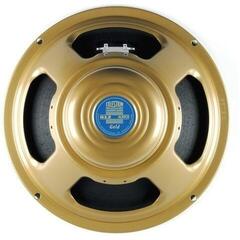
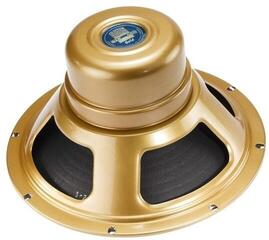
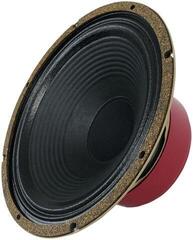
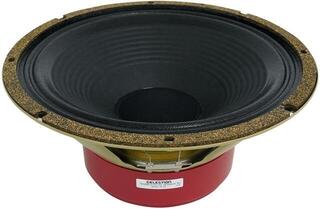
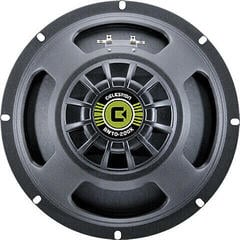
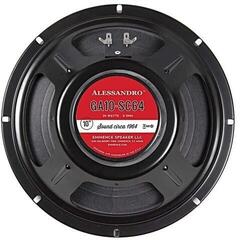
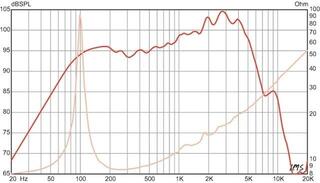
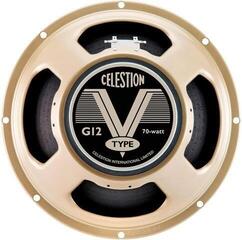
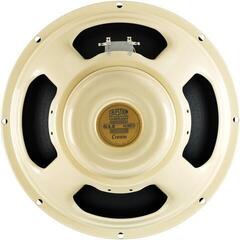
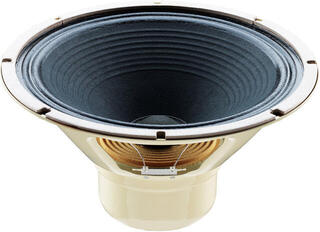
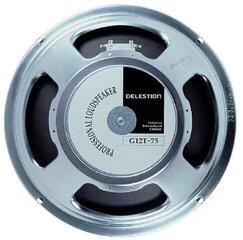
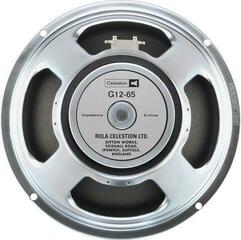
| Guitar or bass guitar speaker | Part of the character of an instrument amp | Impedance, power handling, sensitivity and tonal character |
| PA speaker | Sound reinforcement for speech and music at higher operating loads | Compatibility with the crossover, amplifier and cabinet |
| Service kit | Repair of the cone, surround, voice coil or tweeter diaphragm | Exact model, dimensions and prescribed installation procedure |
Why the same diameter is not enough
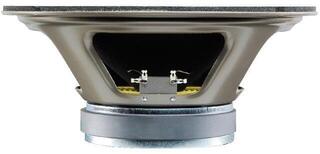
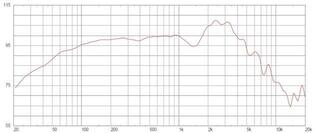
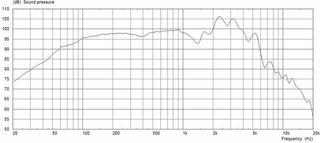
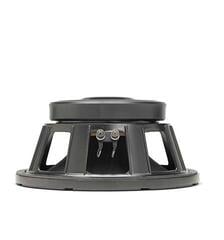
The driver must fit the mounting cutout, but screw spacing, overall depth and magnet clearance are also important. Electrically, it must match the crossover and amplifier. If you use a different impedance, the amplifier load and crossover behavior will change. Different sensitivity, in turn, disrupts the level balance between frequency bands.
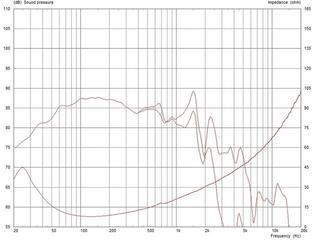
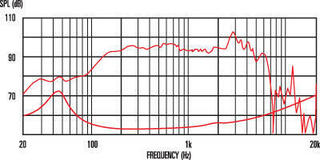
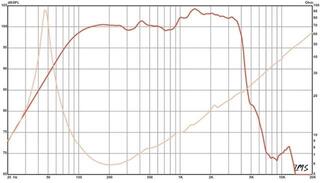
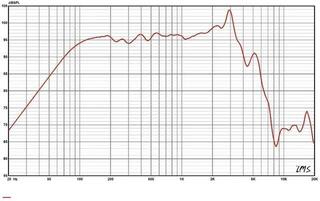
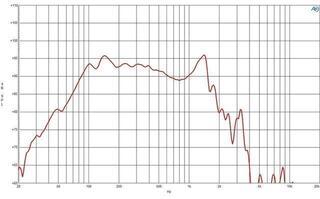
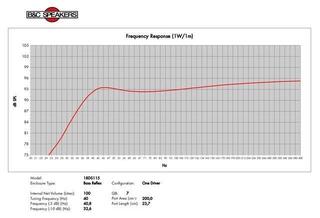
A woofer works with a specific cabinet volume and tuning. A replacement with unsuitable electromechanical parameters may have weak bass, uneven response or exceed safe excursion. In a bass-reflex cabinet, do not arbitrarily change the port length just so the new part physically fits. If you do not have the original part, look for a manufacturer-specified replacement or verify the design by calculation and measurement.
Impedance and power handling
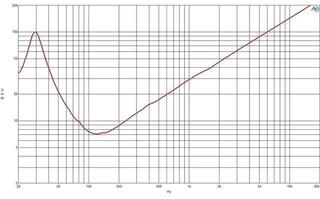
Compare the nominal impedance of the replacement driver with the original part and wiring diagram. In a system with multiple speakers, the resulting load is affected by series or parallel connection. The amplifier must not operate below its permitted limit. When replacing one unit in a pair of identical cabinets, also remember that a different model may change their mutual sound.
The power rating is not the only indicator of durability, and a higher value does not guarantee a better result. The voice coil can be damaged by prolonged overheating, while the mechanical assembly can be damaged by excessive excursion at low frequencies. A distorted amplifier, unsuitable filters and feedback can endanger even a driver with sufficient declared power handling. Set protection limits according to the weakest part of the entire system.
Complete driver or repair kit
If you have an exact compatible model, replacing the complete driver is usually less error-sensitive than repairing its moving parts. A repair kit can retain the original basket and magnet, but requires precise voice-coil centering, clean bonding and suitable materials. With tweeters, the diaphragm assembly is sometimes replaced; here too, the exact type and connection orientation must match.
- Choose complete replacement when the basket or magnet is damaged or repair is not prescribed.
- Use a repair kit only for the specific model for which it is intended.
- Remove old gasket material and adhesive without damaging the mating surface.
- Protect the magnetic gap from dust and metallic debris.
- If you do not have the tools and experience for centering, entrust the repair to a service center.
Guitar and bass amps
A speaker in an instrument cabinet is not merely a neutral replacement part; it contributes to tone, dynamics and playing feel. When replacing it, compare not only impedance and power handling, but also sensitivity and intended character. In a cabinet with multiple drivers, maintain correct polarity and compatible power distribution. Replacing one unit with a different model may be a creative choice, but the result must be assessed as a new combination, not as the original sound.
Open-back and closed-back cabinets load the driver differently. A bass guitar cabinet may also use a tweeter and crossover, which must be checked separately during diagnostics. If the tweeter-circuit fuse repeatedly fails, do not replace it with a different rating without eliminating the cause.
Safe replacement procedure
Prepare a place where the driver can lie without pressure on the cone, and keep small fastening parts separately. Label the cables before disassembly; in a multiway cabinet, similar wires can easily be confused.
Installation work sequence
- Disconnect the cabinet from the amplifier and disconnect active equipment from the mains as well.
- Mark the polarity of the wires and photograph the original wiring.
- Support the driver while loosening the final screws; the magnet is often heavy.
- Check that the gasket and mating surface are free of debris.
- Tighten the screws gradually in a crisscross pattern so the basket does not deform.
- Before full operation, test the system at a low level and listen for mechanical noises.
Speakers may contain heavy magnets and sharp edges. Keep tools away from the cone and protect the surrounding area from heat during soldering. Residual charge in the electronics of an active speaker can be dangerous even after disconnection; do not open the amplifier cover without the necessary qualifications.
Check after repair
After installation, verify that nothing rattles and that the cone moves without rubbing during an appropriate test. Check polarity relative to the other drivers, cabinet sealing and operation of the individual frequency bands. Increase the volume gradually. If the new part quickly overheats, distorts or has a noticeably different level, switch off the system and recheck compatibility, the crossover and amplifier.
Base your order on the exact model, electrical parameters and cabinet construction. Mechanical compatibility alone can upset the balance between highs, mids and bass—and create another fault. If the diagnosis is not clear, professional repair is safer than trying random drivers.