Albania
 Argentina
 Australia
 Austria
 Belgium
 Bosnia and Herzegovina
 Brazil
 Bulgaria
 Canada
 Chile
 Colombia
 Croatia
 Czech Republic
 Denmark
 Estonia
 Finland
 France
 Germany
 Greece
 Hungary
 Ireland
 Italy
 Latvia
 Lithuania
 Luxembourg
 Mexico
 Moldova
 Montenegro
 Netherlands
 New Zealand
 North Macedonia
 Norway
 Philippines
 Poland
 Portugal
 Romania
 Serbia
 Slovakia
 Slovenia
 South Africa
 Spain
 Sweden
 Switzerland
 Turkey
 Ukraine
 United Kingdom
 United States of America



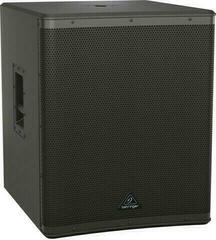
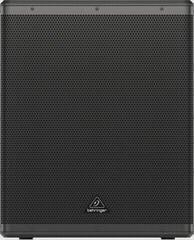
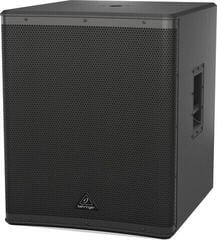
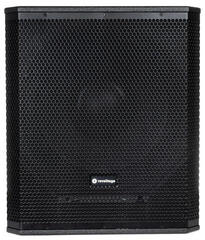
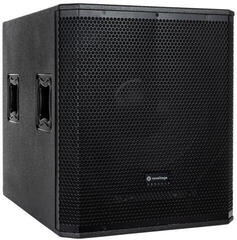
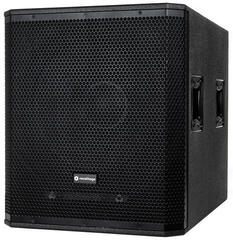
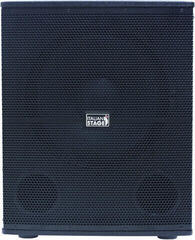
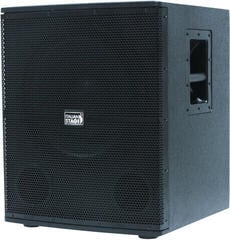
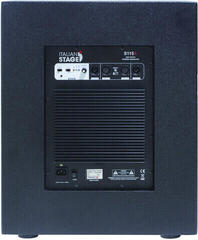
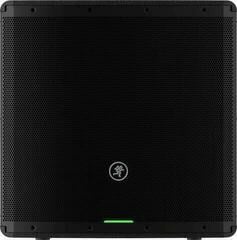
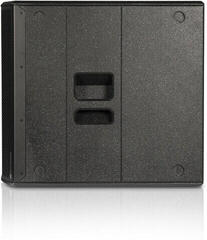
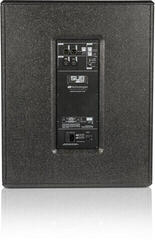
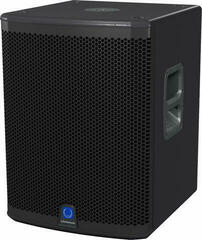
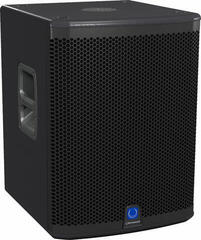
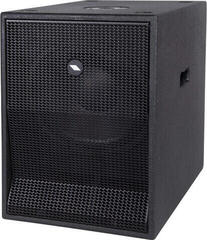
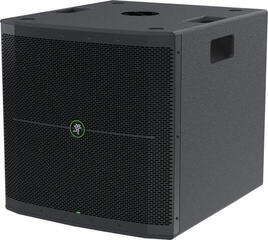
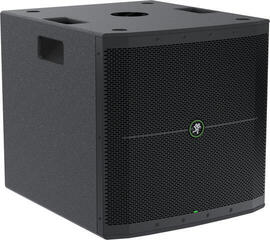
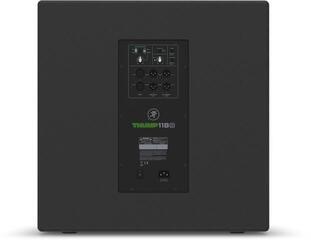
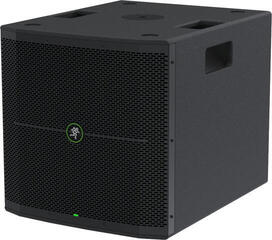
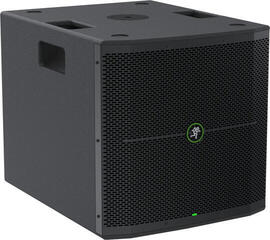
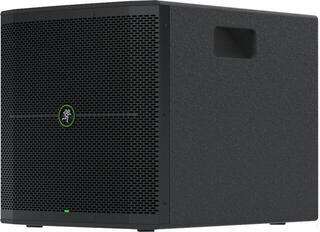
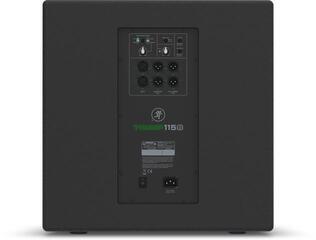
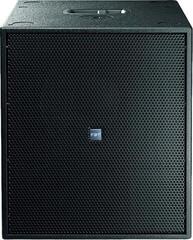
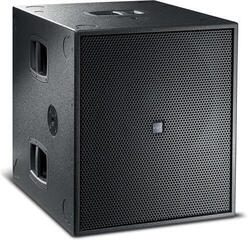
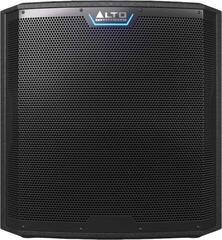
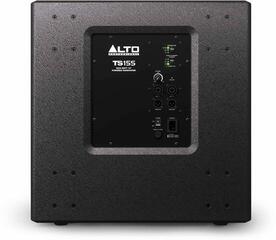
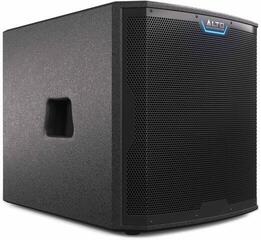
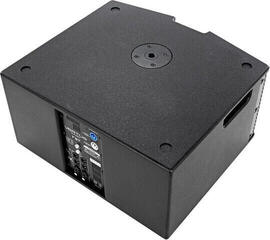
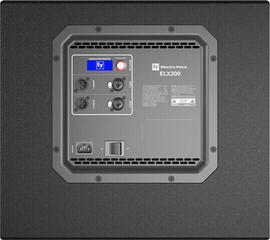
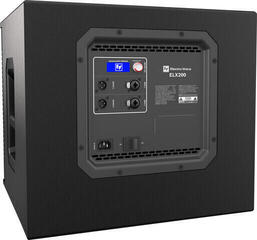
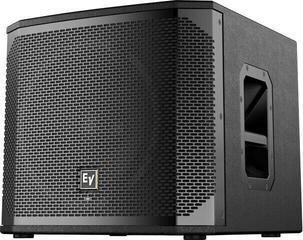
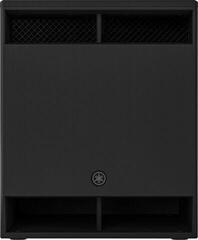
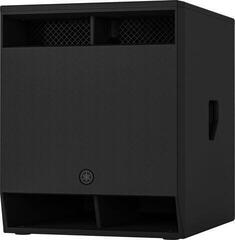
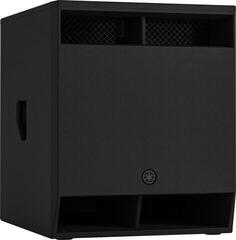
Subwoofers
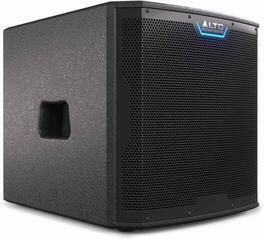
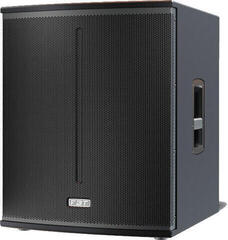
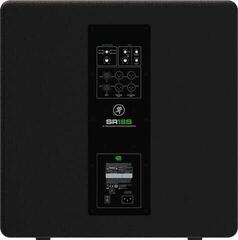
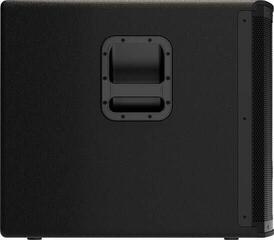
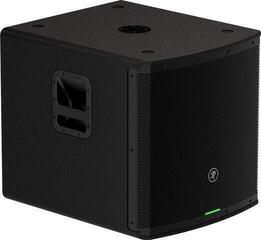
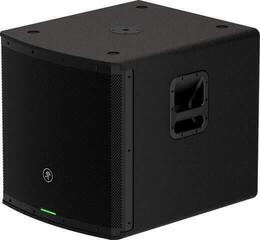
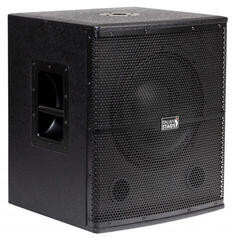
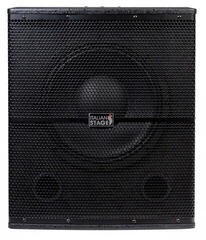
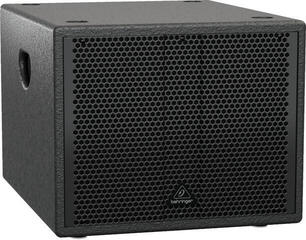
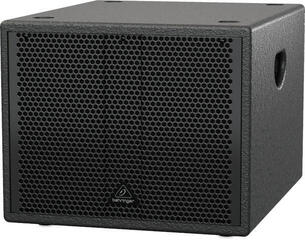
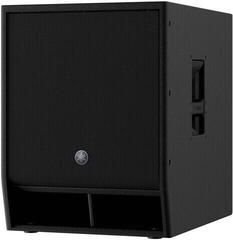
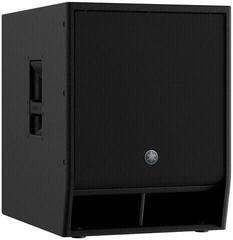
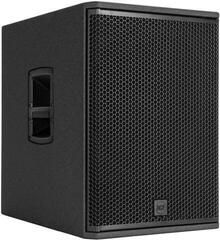
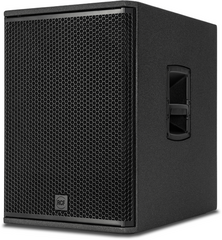
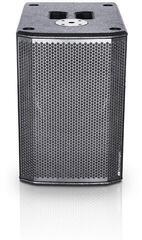
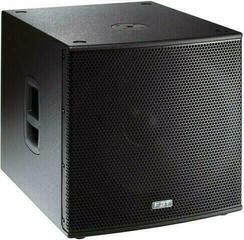
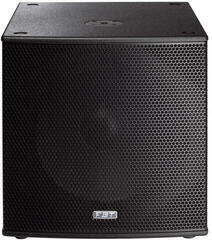
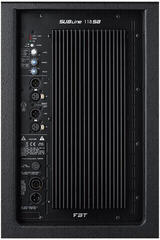
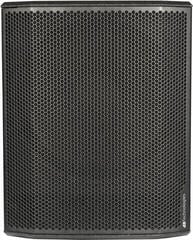
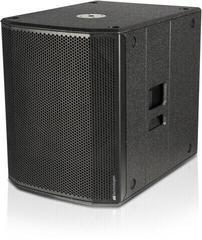
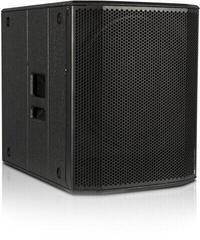
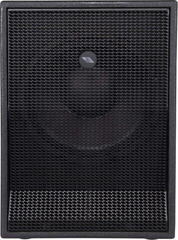
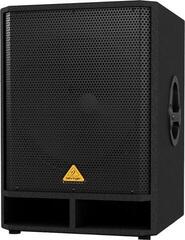
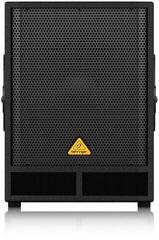
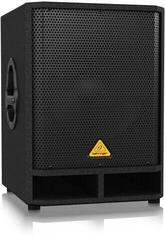
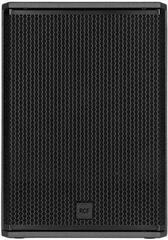
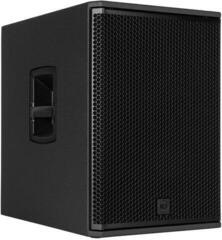
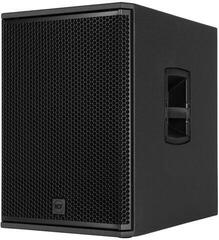
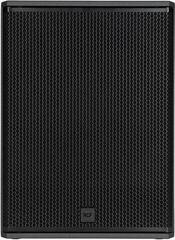
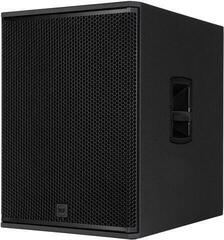
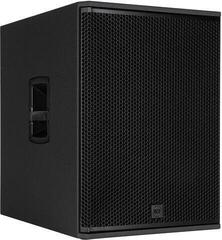
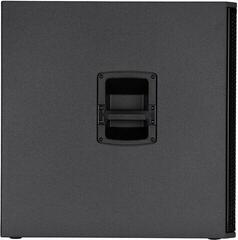
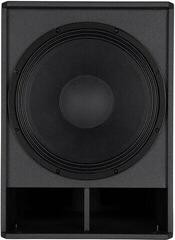
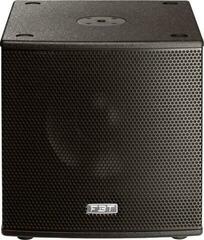
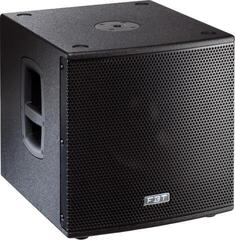
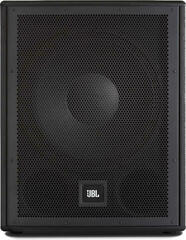
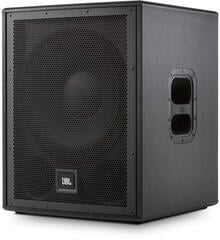
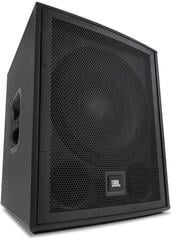
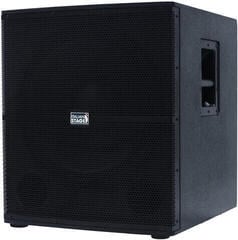
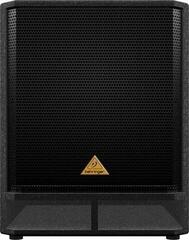
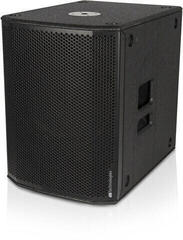
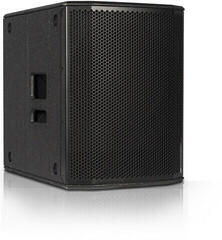
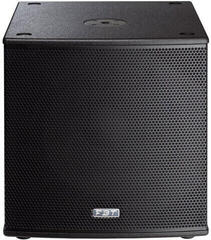
A subwoofer is a speaker designed for low frequencies that full-range cabinets or main speakers may not reproduce with sufficient headroom. Subwoofers are used in live sound, studios, home listening and cinema systems, but these environments require different connectors, signal levels and designs. Driver diameter or power rating alone should not determine your choice: connections, crossover settings, placement and integration with the main speakers all matter. First identify the system you are adding the subwoofer to.
Active and passive designs
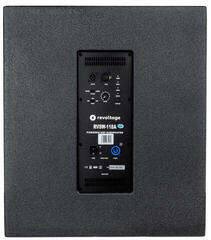
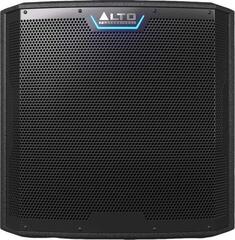
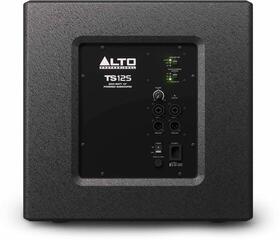
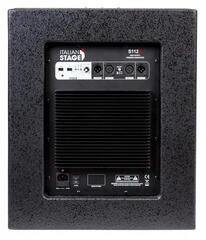
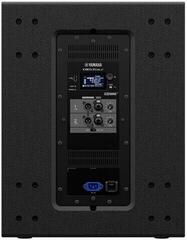
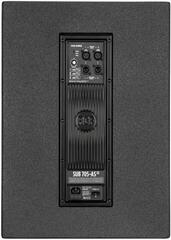
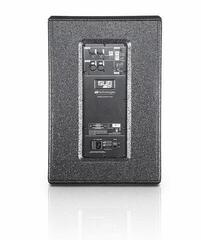
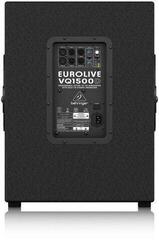
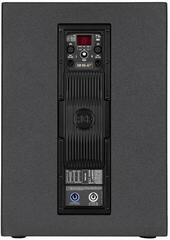
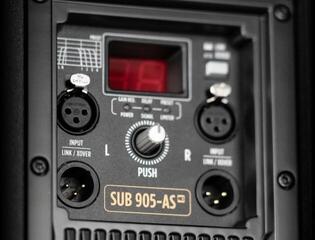
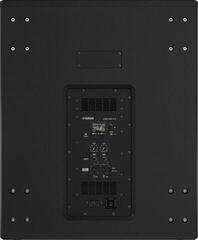
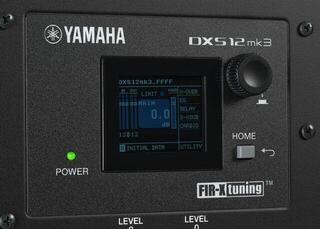
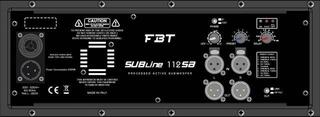
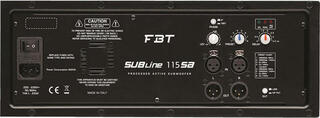
An active subwoofer contains an amplifier and often provides level, crossover, polarity or digital processing controls. It needs electrical power, but removes the need for a separate power amplifier for the bass cabinet. It suits mobile systems and situations where you want an amplifier and driver designed by the manufacturer to work together.
A passive subwoofer connects to a suitable power amplifier and, depending on the system, an external crossover or processor. This lets you keep amplifiers in one place and change individual components, but requires checks of impedance, power handling and speaker cabling. Incorrect matching can damage equipment or limit usable output.
| Application | Priority | Typical connection | What to watch for |
|---|---|---|---|
| Live sound | Volume, transport and coverage | Mixer, processor, active speakers or amplifier | Polarity, crossover and system protection |
| Studio | Controlled low-frequency monitoring | Audio interface or monitor controller | Calibration and room acoustics |
| Hi-Fi | Integration with the main pair and room | Amplifier output or dedicated line output | Available input type and integration |
| Home cinema | Reproduction of a separate low-frequency channel | Receiver's subwoofer output | Speaker settings and bass management |
A subwoofer for your environment
PA and live events
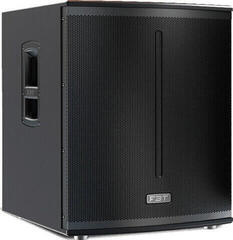
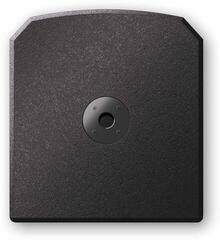
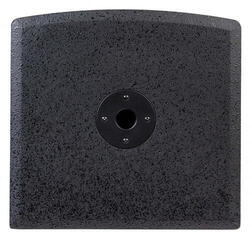
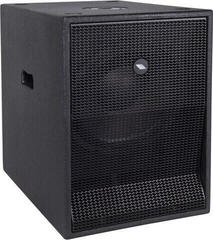
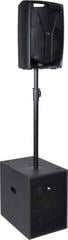
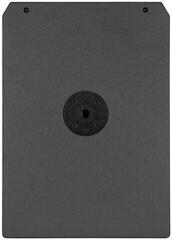
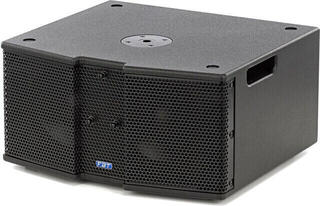
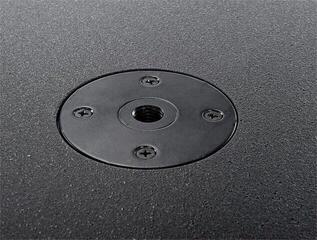
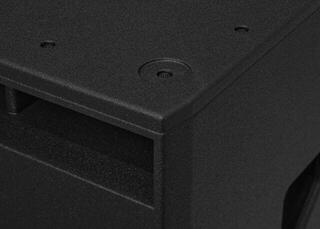
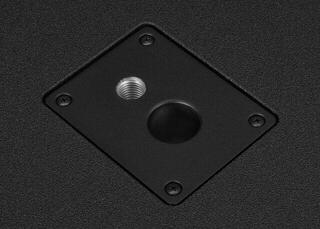
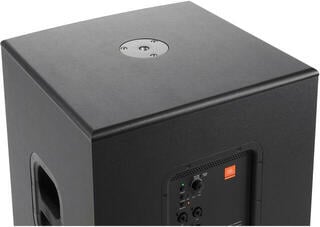
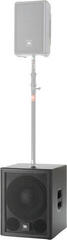
A live sound system must deliver bass to the audience area while withstanding regular transport. Look at maximum sound pressure level measured using a known method, grouping options, a pole socket for the top speaker and physical dimensions. Music with kick drum and electronic bass places different demands on a system from speech. The component that reaches its limit first will restrict the performance of the whole system.
Studio monitoring
A studio subwoofer helps you assess the low end of a mix, but may emphasise existing resonances in a small untreated room. You need the correct crossover, level and listening position. When checking a recording, the aim is seamless integration with the main monitors rather than the greatest possible amount of bass. Measurements and comparison with familiar tracks at a sensible volume are useful.
Hi-Fi and home cinema
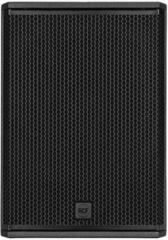
A Hi-Fi subwoofer should complement the main speakers for music rather than overpower them. Home cinema systems may also use a separate low-frequency channel and automatic receiver calibration. Check which output the system provides and which inputs the subwoofer has. Its intended application alone does not guarantee compatibility with every amplifier.
Crossover, phase and level
The crossover frequency determines where the subwoofer begins taking over from the main speakers. The setting should match their actual low-frequency extension and any filtering at the output. If both devices apply filtering without a coordinated plan, the transition may overlap unnecessarily or become weak. Check the manual to see whether the control indicates a precise cutoff or only an approximate setting.
A phase switch, variable phase control or delay adjusts the timing relationship between sources at the crossover. The correct value depends on distance, filters and placement. Adjust it from the listening position, ideally using measurements; the setting that produces the most bass may not be the most even throughout the room.
Increase the level until the bass blends naturally with the main speakers. If you clearly hear the subwoofer as a separate source, it may be too loud, playing too high in frequency or poorly positioned. A film effect may call for a different result, but still protect your hearing and respect the system's limits.
Placement and acoustics
- Near a wall: may increase low-frequency energy, but also create more pronounced unevenness.
- In a corner: uses the combined effect of several boundaries; the result can be powerful but boomy.
- Between the main speakers: makes the bass source easier to associate with the centre of the system and can reduce some interference in PA use.
- Under the left and right speakers: saves the floor space otherwise needed for stands, but the pair creates mutual interference.
- Multiple units: allow more control over bass distribution, but require coordinated settings and often professional design.
At home, a temporary placement test may help: put the subwoofer at the listening position, play a low-frequency signal at a safe level and search around the room's perimeter for positions with a more even response. This is a rough guide rather than a substitute for measurement. After moving the subwoofer, check the result exactly where you sit.
Reading technical specifications
- Frequency range: needs a tolerance and measurement conditions; an extremely low figure without them tells you little.
- Power: compare the same type of rating. Watts alone do not indicate maximum volume or bass quality.
- Maximum sound pressure level: is more useful with a consistent measurement method and a stated distance.
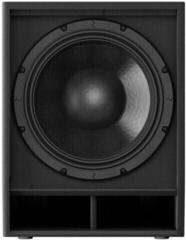
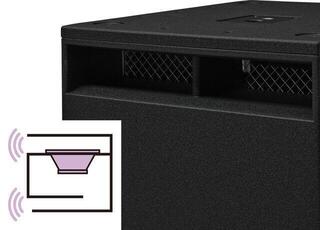
- Driver and enclosure: diameter, excursion and enclosure type work together; a single parameter does not determine the result.
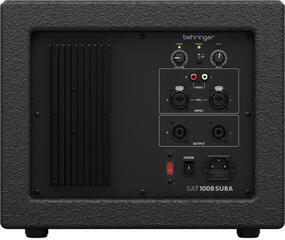
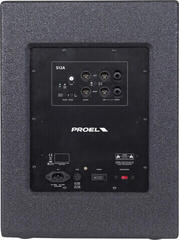
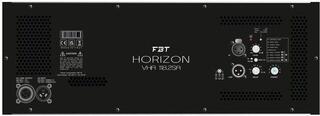
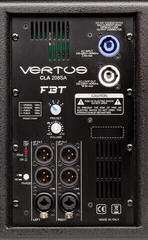
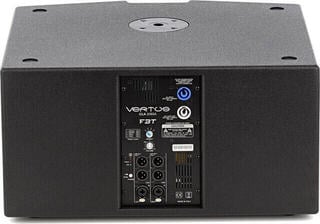
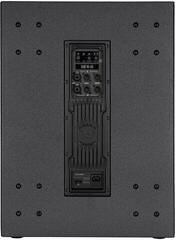
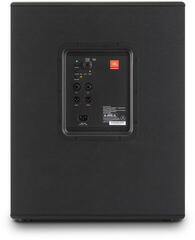
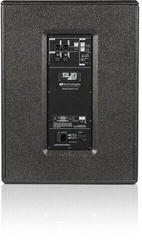
- Connectors: line-level, speaker-level and low-frequency outputs are not interchangeable.
Accessories and transport
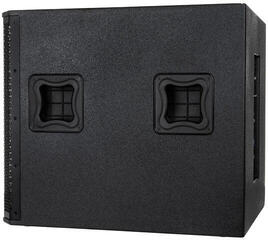
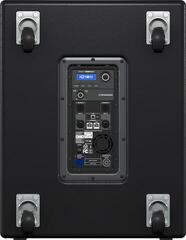
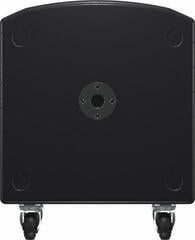
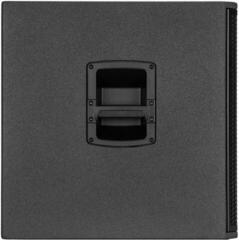
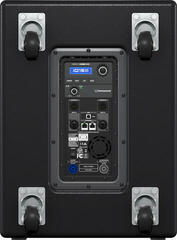
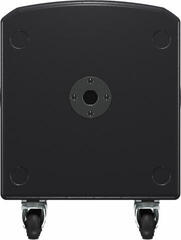
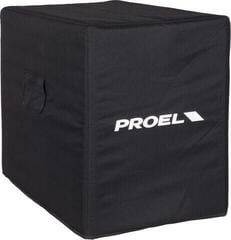
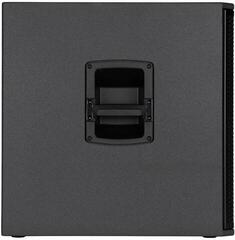
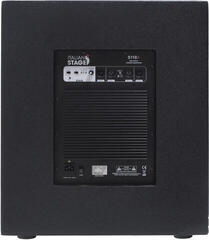
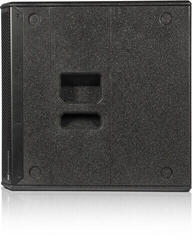
A stage subwoofer needs suitable signal or speaker cables depending on whether it is active or passive. A distance pole can support a main speaker only in the designated socket and within the permitted load. A cover, trolley or wheels make moving easier, but check total weight and doorway dimensions before loading. Protect the control panel from impacts and do not cover ventilation during operation.
In a studio, a monitor controller or outputs that let you compare listening with and without the subwoofer can be useful. In home cinema, the receiver often handles bass management. Draw the signal path and check the available functions before buying another processor.
Making your choice
- Identify whether the application is PA, studio, Hi-Fi or cinema, and list your existing equipment.
- Find out which output is available, which input is needed and where the crossover takes place.
- Choose an active or passive solution, including the amplifier and cabling.
- Measure the space, transport route and the position where the subwoofer can stand safely.
- Compare frequency range, maximum sound pressure level and controls only where the specifications are clear.
- After connecting, fine-tune placement, phase and level by listening or measuring.
Add a subwoofer when the main system cannot cover the required frequency range or needs more headroom. Do not assume a subwoofer automatically makes every sound fuller and more pleasing. A poorly adjusted unit can mask speech, kick drum and bass lines; a well-integrated one complements the system without constantly drawing attention to itself.